







































Irreverent Reviews
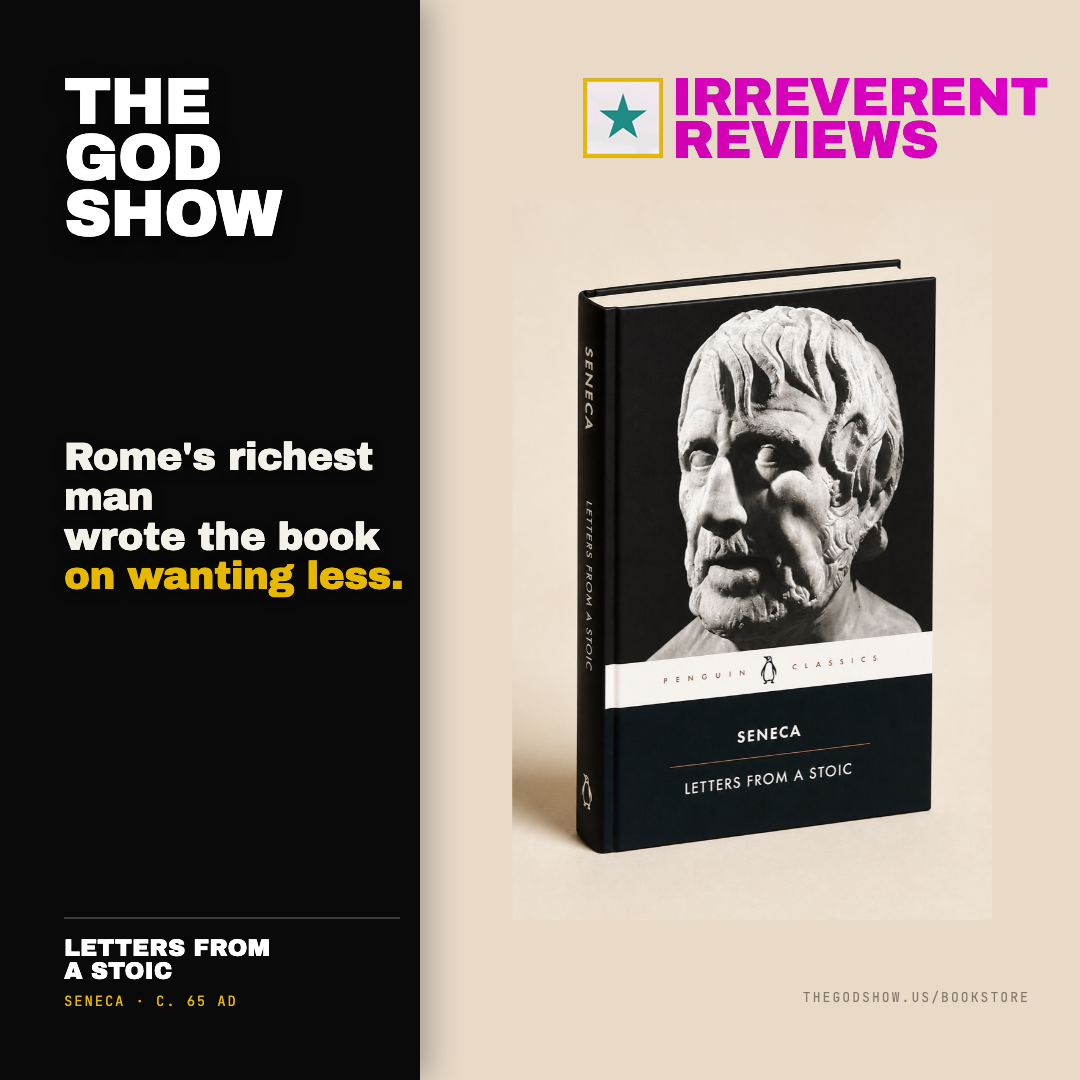
Letters from a Stoic
Seneca · c. 65 AD
Exiled by one emperor, executed by another, quotable in between: the best advice column in Roman history was written waiting for the knock on the door.
Buy on Amazon →Lucius Annaeus Seneca — playwright, senator, tutor and then minister to the emperor Nero, and by ancient accounts one of the richest men in the empire — spent his final years writing letters to his friend Lucilius about how little a person truly needs. The shamelessness is the point. The Letters are the most quotable moral writing Rome ever produced, composed by a man whose villas could have garrisoned an army, addressed to posterity over Lucilius's shoulder, with the emperor's death squads warming up offstage. He preached poverty from a fortune, and the advice still lands. That paradox has annoyed readers for two thousand years and stopped exactly none of them.
The Hypocrite Files
Let us do the charges first, because Seneca's enemies did: exiled under Claudius over an adultery scandal involving the emperor's niece; recalled by Nero's mother to housebreak her son; rewarded with a fortune ancient sources put at three hundred million sesterces; accused by rivals of squeezing the provinces with predatory loans. Caligula, no critic but a gifted hater, dismissed his prose as sand without lime. Seneca heard all of it and answered on the record: he was not the doctor, he was a fellow patient describing the symptoms; he praised virtue, he never claimed to embody it. It is the most honest disclaimer in the history of advice. In 2026 he would be a finance podcaster with a meditation app and a crisis PR team, and the letters would still embarrass every word of it. He knew the disease from the inside.
Moral Espresso, 124 Shots
The letters themselves are short, hot, and absurdly modern. Guard your time, the one thing you spend without noticing the robbery. Avoid crowds; you come back from them worse. Schedule practice-poverty days — rough clothes, cheap food — so fortune loses its hostage. Treat the enslaved as humans, a letter that scandalized polite Rome and conveniently stopped short of abolition. Each one reads like it was written this morning by the smartest, most compromised man you know. Philosophers sniffed for centuries that none of it is systematic. Correct. Neither are you.
Dying on Brand
In 65 AD, implicated — probably unfairly — in a plot against Nero, Seneca received the order every Stoic spends a lifetime rehearsing for. Tacitus filmed it in prose: the opened veins that bled too slowly, the poison that failed, the steam room that finally finished the job, his wife Paulina dragged back from joining him on Nero's orders. It took him hours to die, and he spent them dictating. You can call the life a contradiction. The exit settled the bill.
“He preached poverty from a fortune, and the advice still lands.”
Verdict
Read the Letters young, so they can disappoint you usefully for the rest of your life. Seneca will not resolve into sage or fraud; he is both, fluently, which makes him the most relatable moralist in the canon — a man describing the lifeboat from the deck of his yacht, accurately. When the test finally came, he passed it in the worst possible way. Pour a glass of something cheaper than you can afford: to the patient who wrote the best prescriptions in Rome.