
































































Irreverent Reviews
How to Be an Epicurean
Catherine Wilson · 2019
The Stoics got the podcasts; Epicurus got slandered. Catherine Wilson files the 2,300-year-old appeal and wins it on pleasure, friendship, and the receipts.
Buy on Amazon →Every few years the same self-improvement costume drama returns: a tech founder discovers Marcus Aurelius, cold showers acquire a metaphysics, and Stoicism is reannounced as the operating system of greatness. Catherine Wilson, a serious philosopher with a long career and visible patience limits, would like to register an objection. Her case: the other Greek option was better all along. Epicureanism—the school with the garden, the friends, and the unembarrassed conviction that pleasure is the point of being alive—survives mostly as a synonym for fancy cheese boards, while its gloomier rival gets the keynote. This book is the corrective, written with the cheerful aggression of someone settling a 2,300-year-old score.
Counter-Programming the Stoic Bros
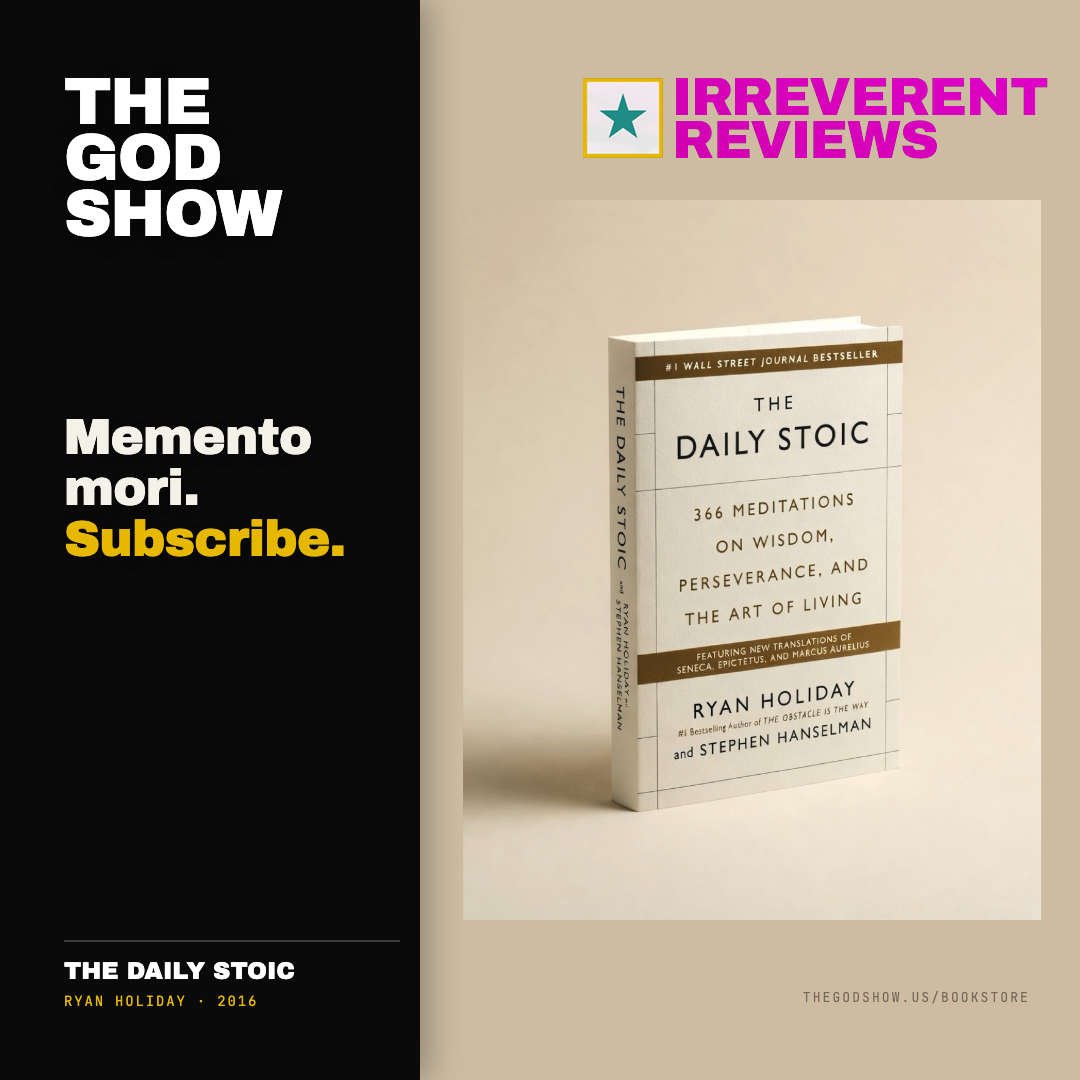
The Stoa and the Garden opened within a generation of each other in Athens and have been glaring across the agora ever since. Wilson's complaint about the modern revival is precise: Stoicism flatters power. If virtue is the only good and externals are indifferent, then your low pay, bad housing, and burning planet are attitude problems—convenient doctrine, if you happen to own the externals. In 2026, with the Stoic industrial complex topping the podcast charts and every other CEO cosplaying a Roman emperor between layoffs, her timing is unimprovable. Stoicism is the official philosophy of pretending your feelings are a performance issue. Epicureanism, Wilson argues, starts from the opposite premise: your feelings are data, pleasure and pain are the only honest currencies, and a life that feels bad is not secretly going well.
Pleasure, With a Designated Driver
This is not a brunch manifesto. Wilson rebuilds the actual machinery: desires sorted into the necessary, the optional, and the vain; choices weighed by long-term consequences rather than immediate hits; a hedonism so prudent it is practically actuarial. The Epicurean skips the third drink not from discipline but from accurate accounting—tomorrow is also a pleasure venue. Underneath sits the materialism: you are atoms, briefly and improbably arranged; there is no afterlife where the diet pays off; the meaning of life is lived experience, full stop. Wilson handles death with the school's classic serenity and adds a contemporary edge: mortality is the budget that makes anything worth choosing.
Justice Is a Draft, Not a Tablet
Her sharpest chapter takes the school's strangest jewel—justice as agreement. No cosmic ledger, no natural hierarchy: just evolving contracts among people who would rather not harm each other, renegotiable whenever the deal turns out to be rigged. Wilson runs the upgrade path: arrangements that once looked 'natural'—who owns, who serves, who counts—were drafts, and drafts get revised. Where the Stoic counsels serene acceptance of the whole, the Epicurean reads the contract and asks who it is working for. As an ethics for climate politics and gig economies, it is startlingly load-bearing for a doctrine older than paper.
“Stoicism is the official philosophy of pretending your feelings are a performance issue.”
Verdict
You can quibble with the polemic—actual ancient Stoics were subtler than their LinkedIn descendants, and Wilson knows it. But as a usable modern philosophy delivered with wit and evidence, this is the best single rehabilitation of the West's most defamed school. The Garden never needed defending; it needed a lawyer with a sense of humor, and it finally has one. Pour something modest, invite two friends, and bill the Stoics for the difference.