



































Irreverent Reviews
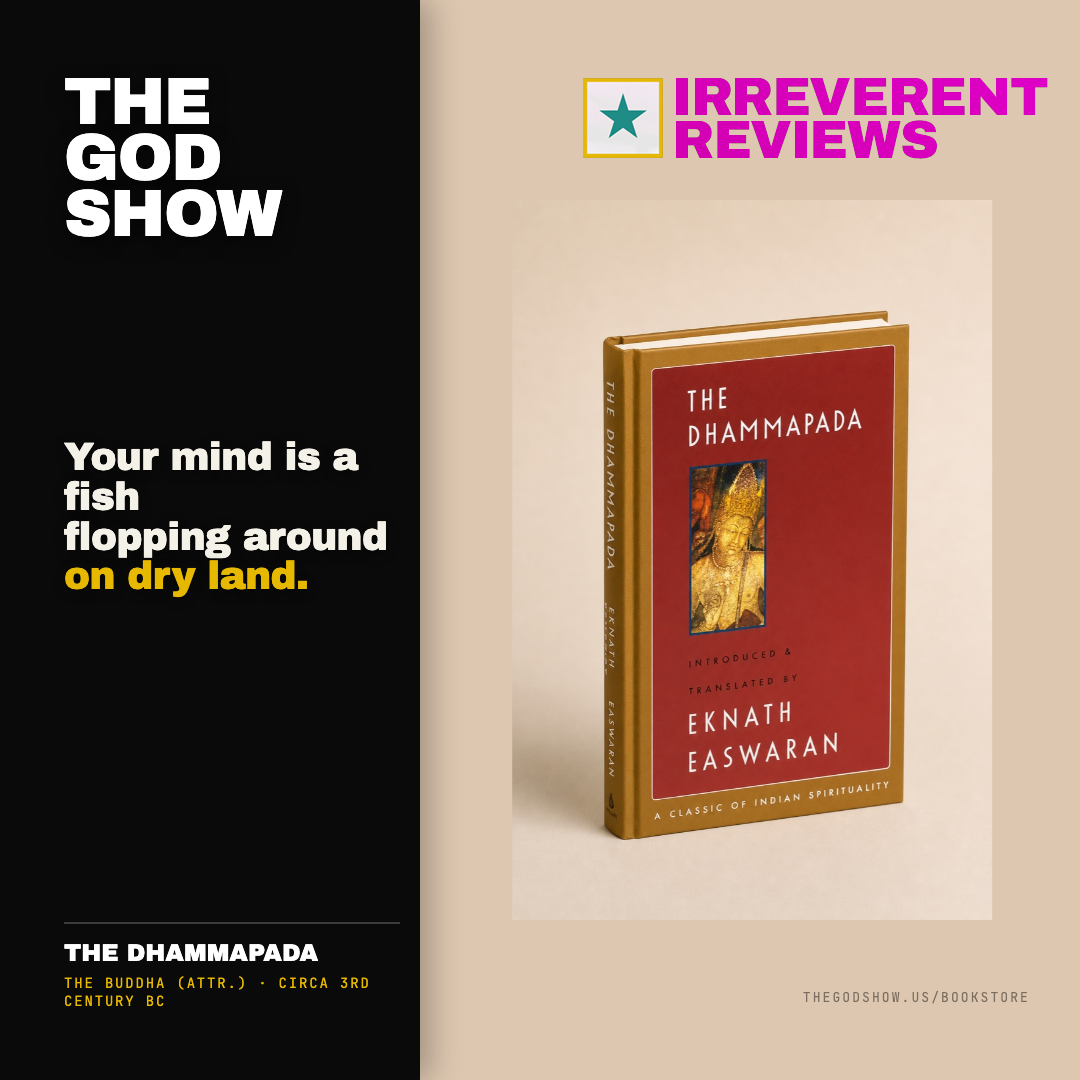
The Dhammapada
The Buddha (attr.) · Circa 3rd century BC
The Buddha's greatest hits—423 verses with no filler, compiled by students who knew exactly which lines would still sting twenty-three centuries later.
Buy on Amazon →Sometime around the third century BC, the Buddha's heirs did posterity a favor and compiled the quotable Buddha: 423 verses, 26 chapters, zero filler. The Dhammapada is the dharma stripped of scaffolding—no cosmological flowcharts, no twelve-linked anything—just a teacher looking at the human mind with terrifying clarity and reporting, in effect: that thing is feral, and taming it is the only project that matters. It is ancient self-help with all the self-flattery surgically removed.
Your Brain, the Crime Scene
The opening Twin Verses lay down the law the rest of the book enforces: mind comes first, everything else follows. Act from a corrupted mind and suffering trails you the way the cartwheel trails the ox; act from a clear one and peace follows like a shadow that never leaves. From there the hits keep coming, paraphrased but unmistakable: hatred has never once ended hatred; the untrained mind thrashes like a fish hauled onto sand; conquering yourself outranks conquering a thousand men in a thousand battles.
The chapter on fools doubles as history's most durable subtweet: the fool who knows he is a fool is at least partway wise—it is the confident one you have to worry about. Twenty-three centuries before the productivity-industrial complex, somebody already wrote its obituary.
The Kerala Professor Who Made It Sing
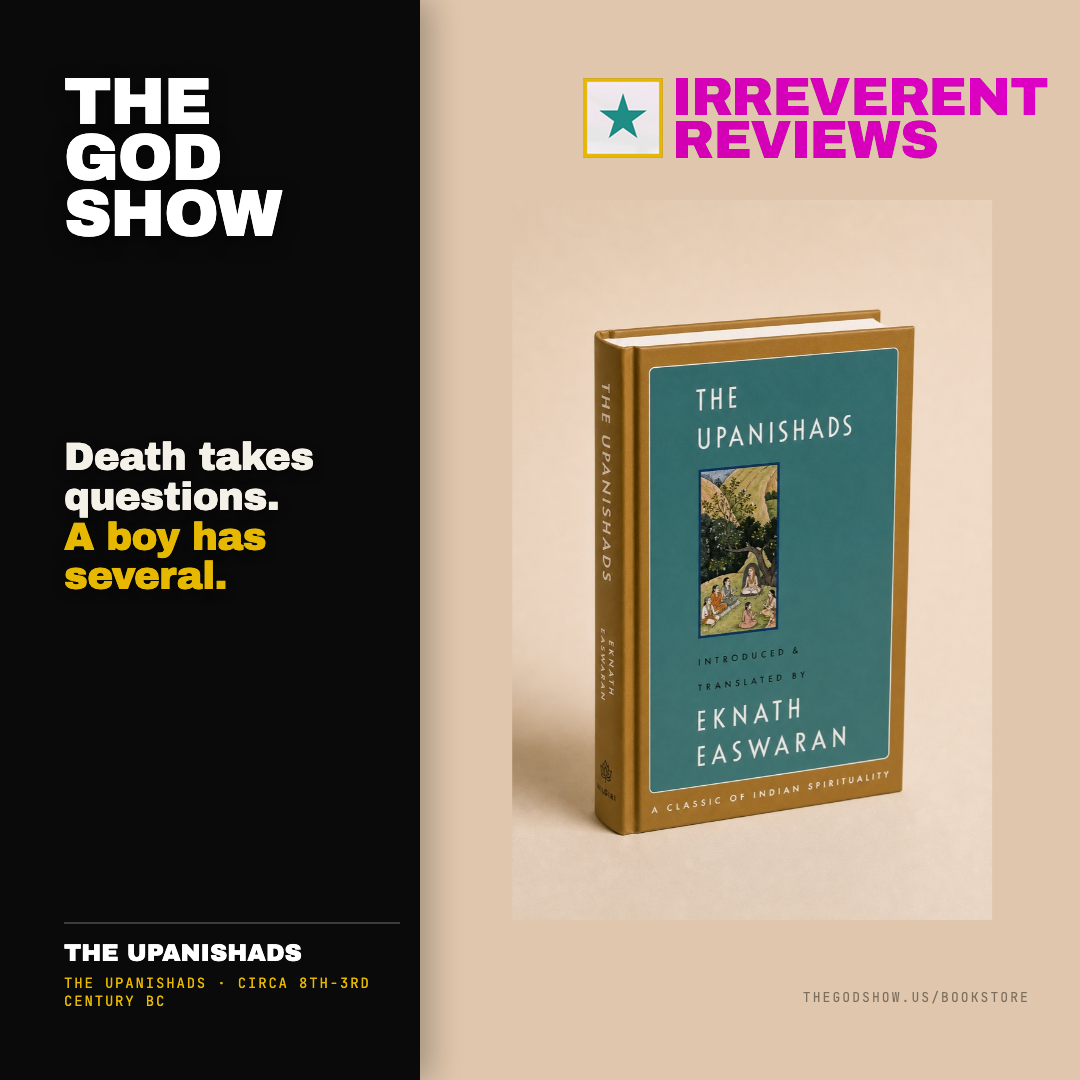
This edition belongs to Eknath Easwaran, an English-literature professor from Kerala who arrived in America on a 1959 Fulbright, landed in Berkeley just before the sixties detonated, and in 1968 taught what is billed as the first credit-bearing meditation course at a major American university. He founded a meditation center in Tomales, California, and translated the Indian classics not as philology but as user manuals—he repeated these verses in meditation for decades, and it shows. His Dhammapada reads like advice from a kindly uncle who is entirely unimpressed by your excuses.
In 2026, fragments of these verses circulate as lock-screen wallpaper and app notifications—the mind-training manual chopped into content for the very distraction machine it was written to dismantle. The compilers, who watched minds wobble without a single push notification, would not be surprised.
“It is ancient self-help with all the self-flattery surgically removed.”
Verdict
You can read the whole thing in an afternoon and then spend a lifetime failing to win an argument with it. Keep it by the bed, the desk, the phone charger—wherever relapse happens. It remains the rare book that knows exactly what your problem is, because your problem has not changed in twenty-three hundred years. To the fish: may it stop flopping. May it remember water.