Irreverent Reviews
The classics, lovingly disrespected.
Savage, fond, fully sincere reviews of the books behind The God Show — 72 reviews and counting. Read one, then go buy the book.
← The Bookstore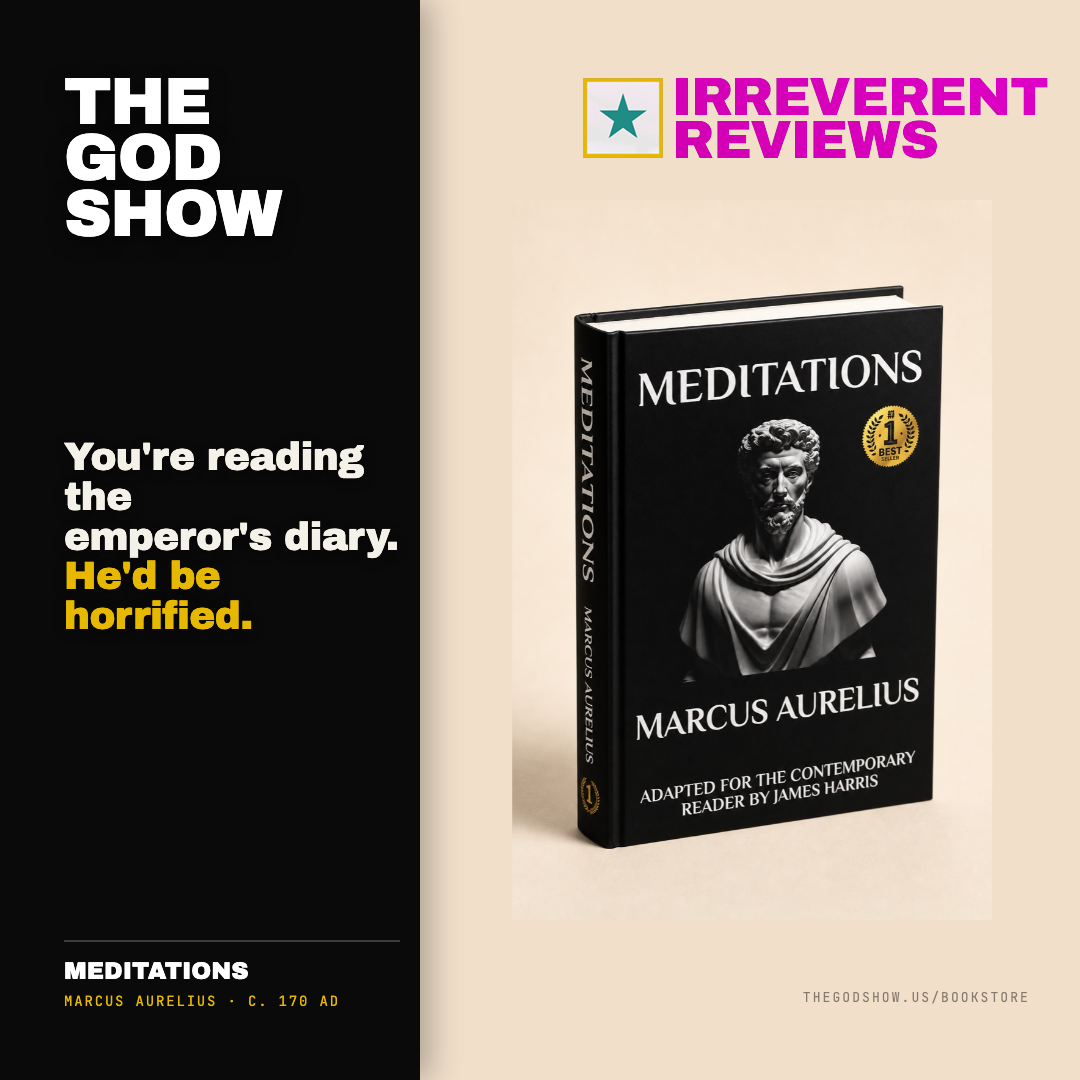
Meditations
Marcus Aurelius · c. 170 AD
Plague outside, barbarians at the river, a son going wrong — the philosopher-king coped by journaling in Greek, never suspecting he was drafting a bestseller.
Read the review →
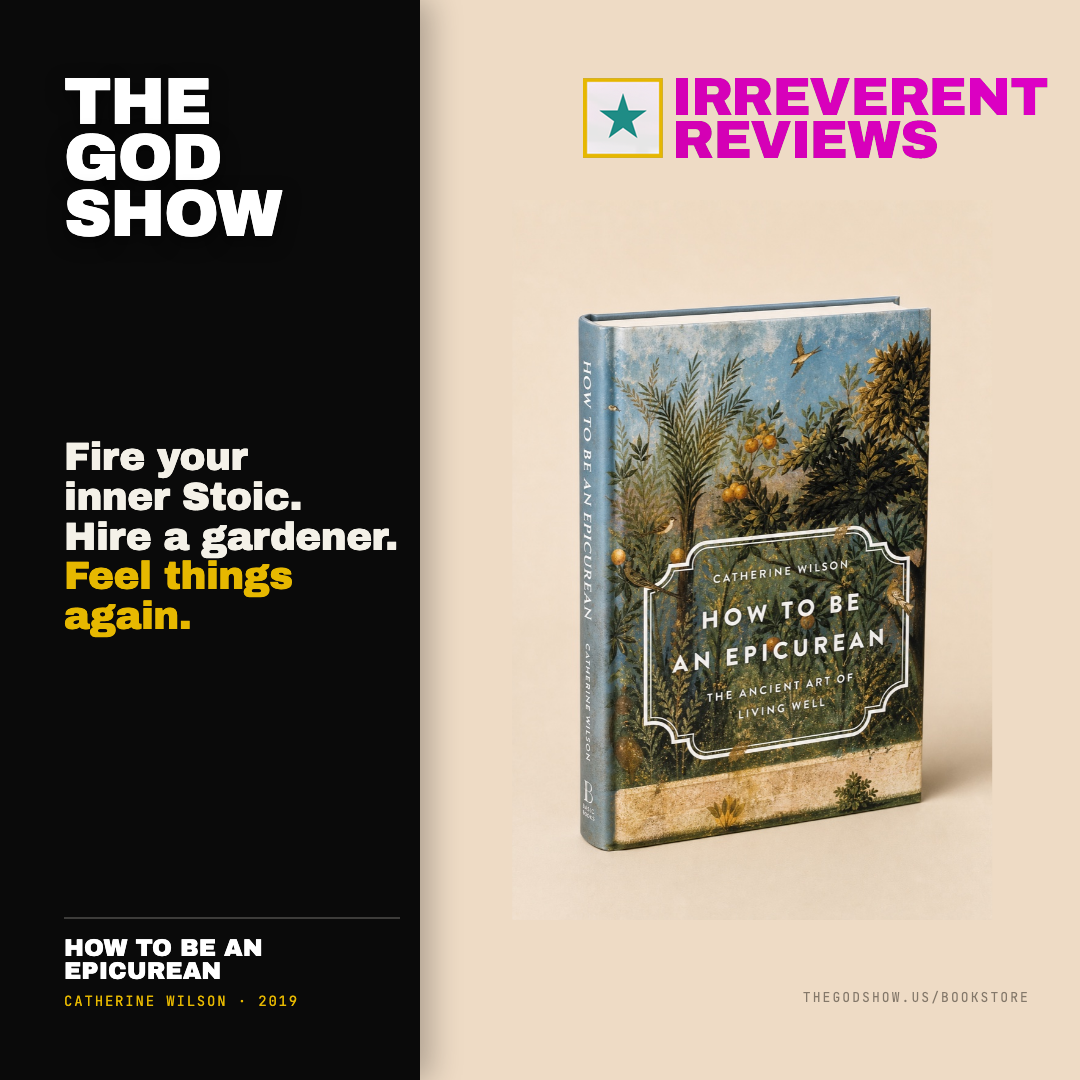
How to Be an Epicurean
Catherine Wilson · 2019
The Stoics got the podcasts; Epicurus got slandered. Catherine Wilson files the 2,300-year-old appeal and wins it on pleasure, friendship, and the receipts.
Read the review →
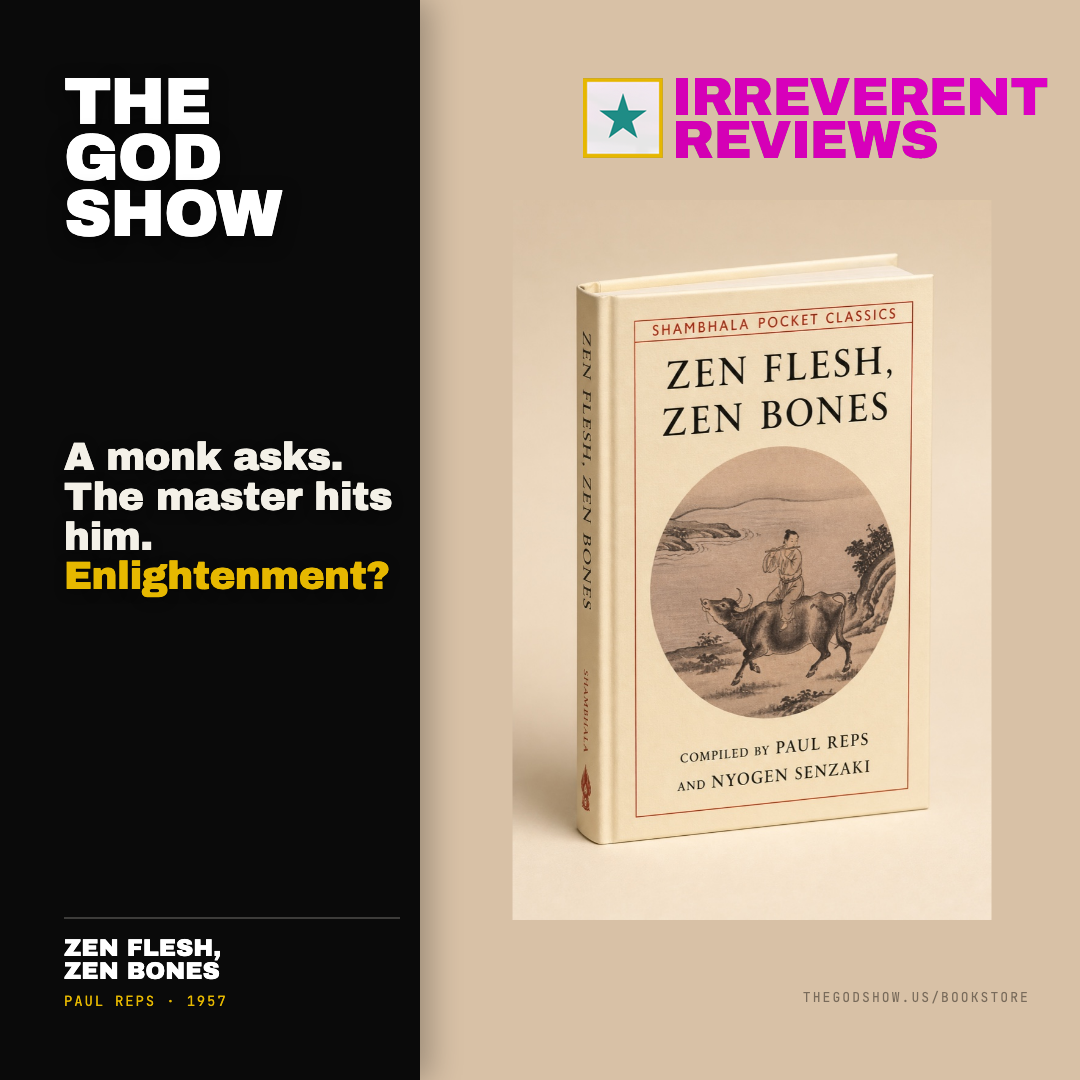
Zen Flesh, Zen Bones
Paul Reps · 1957
Four ancient Zen anthologies stapled into one pocket grenade and lobbed into 1957 America — the same year Kerouac hit the road.
Read the review →
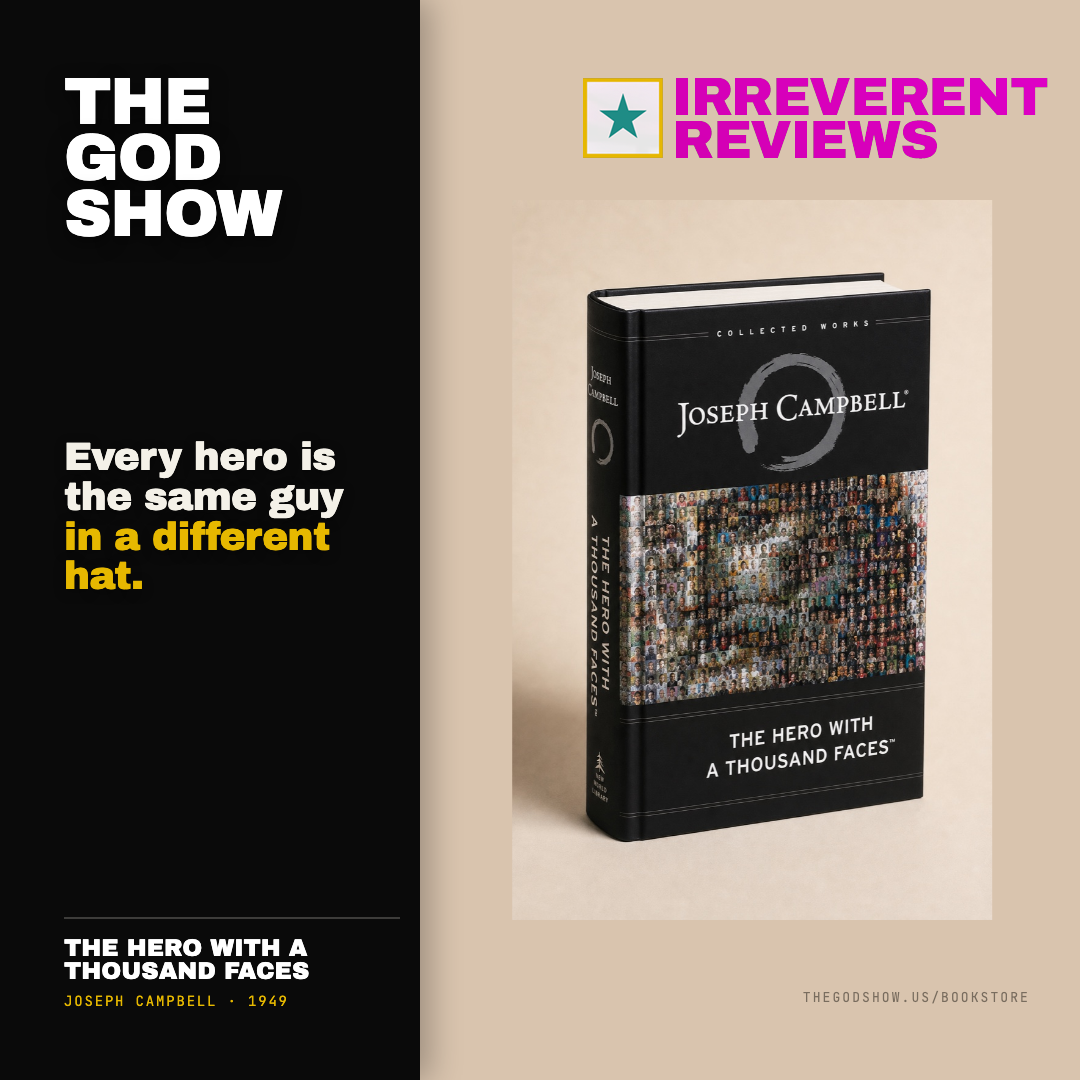
The Hero with a Thousand Faces
Joseph Campbell · 1949
Five Depression years reading nine hours a day in a Woodstock shack produced the skeleton key Hollywood now jams into every locked screenplay.
Read the review →

The Bhagavad Gita
Vyasa (attr.) · Circa 2nd century BC
Seven hundred verses of crisis counseling, delivered in a parked chariot while two armies stand around waiting for one archer to stop hyperventilating.
Read the review →
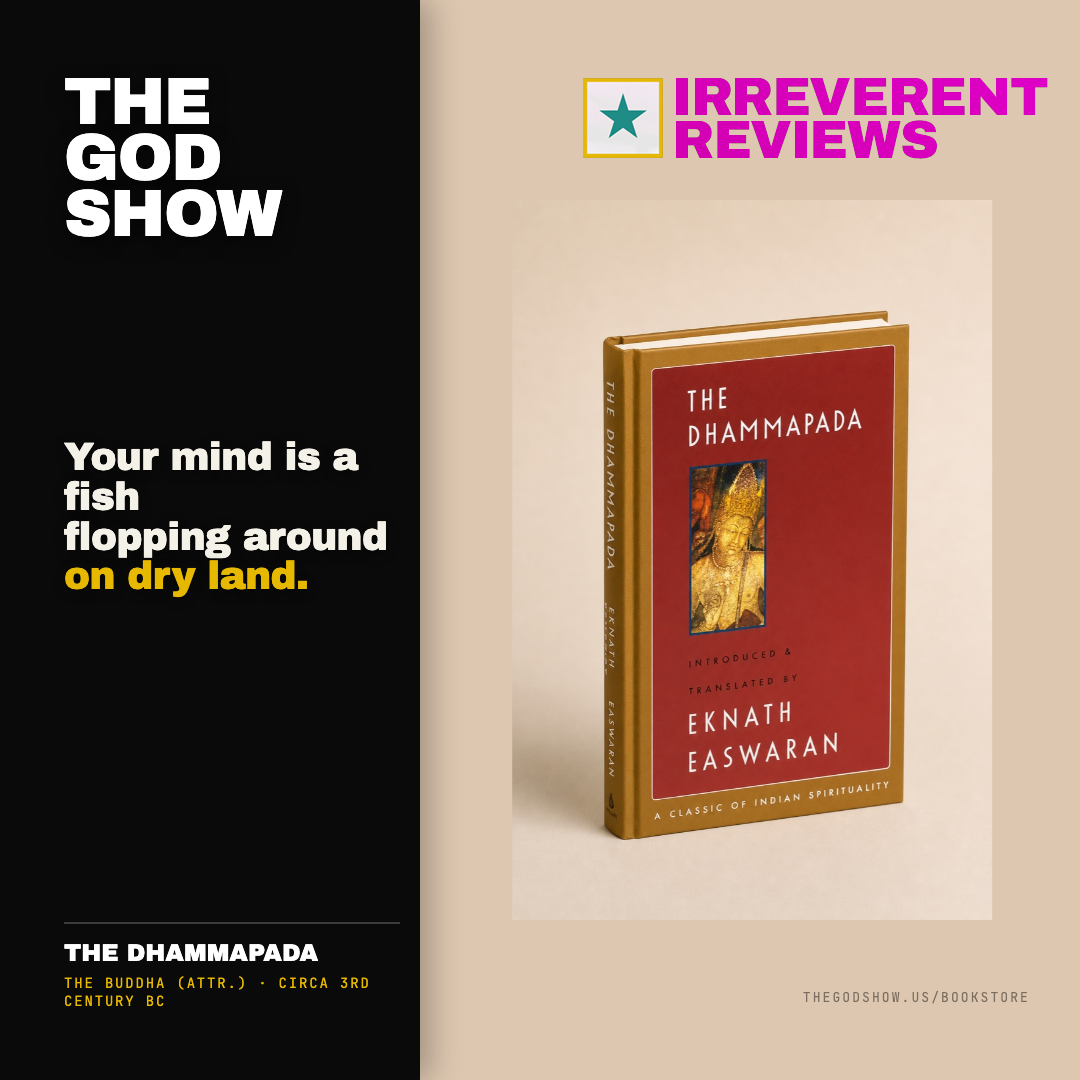
The Dhammapada
The Buddha (attr.) · Circa 3rd century BC
The Buddha's greatest hits—423 verses with no filler, compiled by students who knew exactly which lines would still sting twenty-three centuries later.
Read the review →
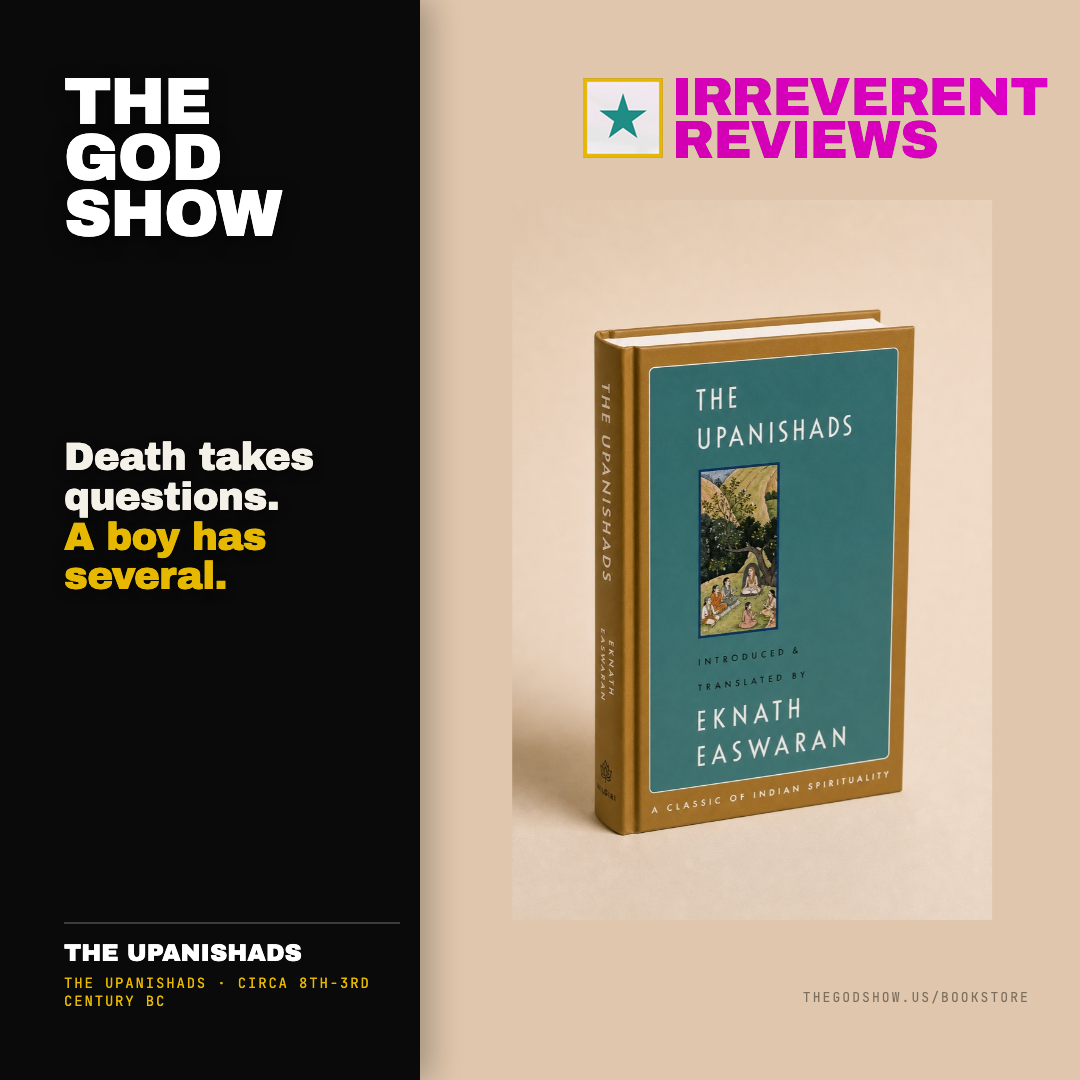
The Upanishads
The Upanishads · Circa 8th-3rd century BC
Anonymous forest sages worked out that the self is an inside job — three thousand years before anyone could bill you for the insight.
Read the review →
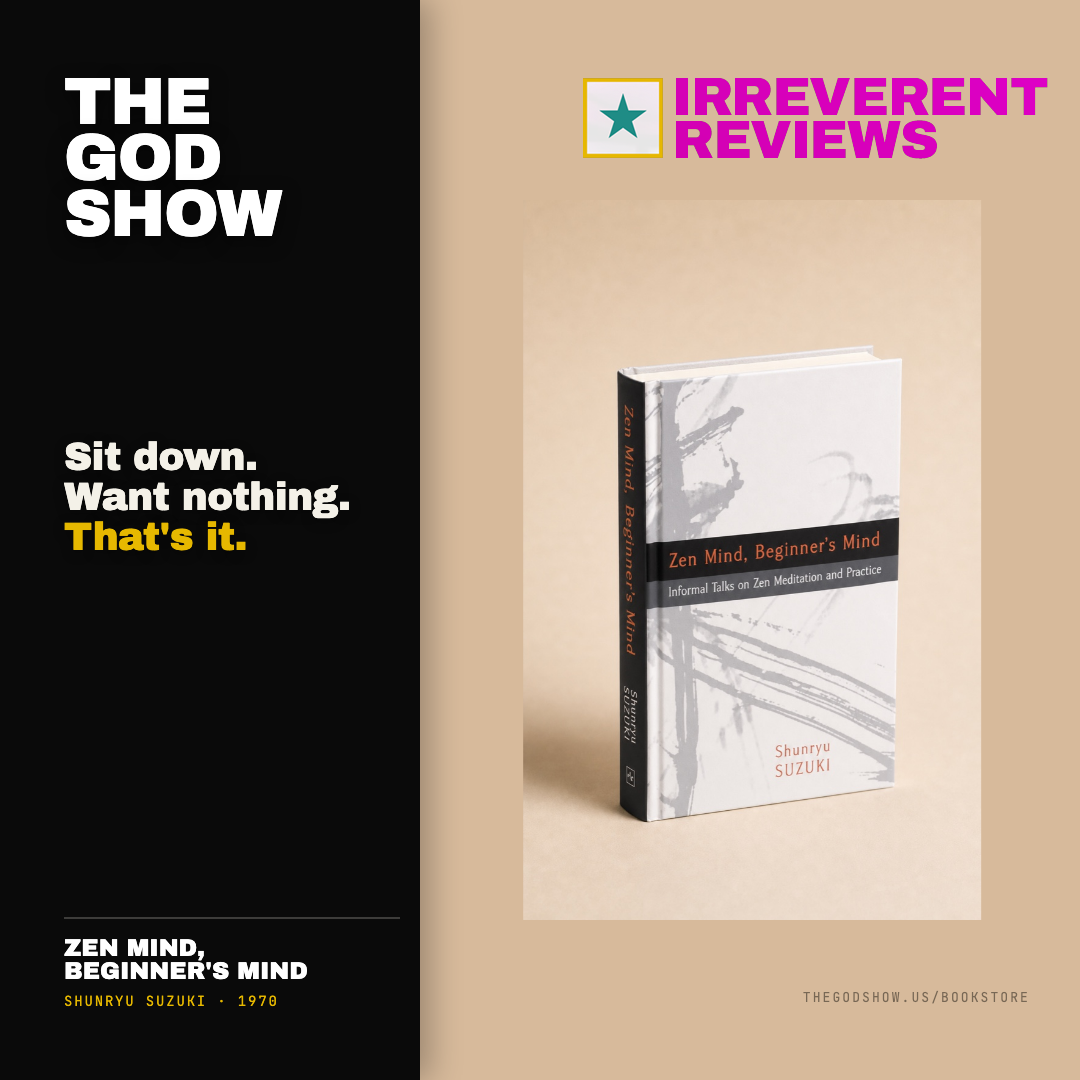
Zen Mind, Beginner's Mind
Shunryu Suzuki · 1970
Dawn-talk transcripts from a tiny Japanese priest in 1960s California became the West's favorite Zen book. Step one: sit down. There is no step two.
Read the review →

When Things Fall Apart
Pema Chödrön · 1997
A schoolteacher threw a rock at her cheating husband, became a Buddhist nun, and wrote the only comfort book honest enough to skip the comfort.
Read the review →
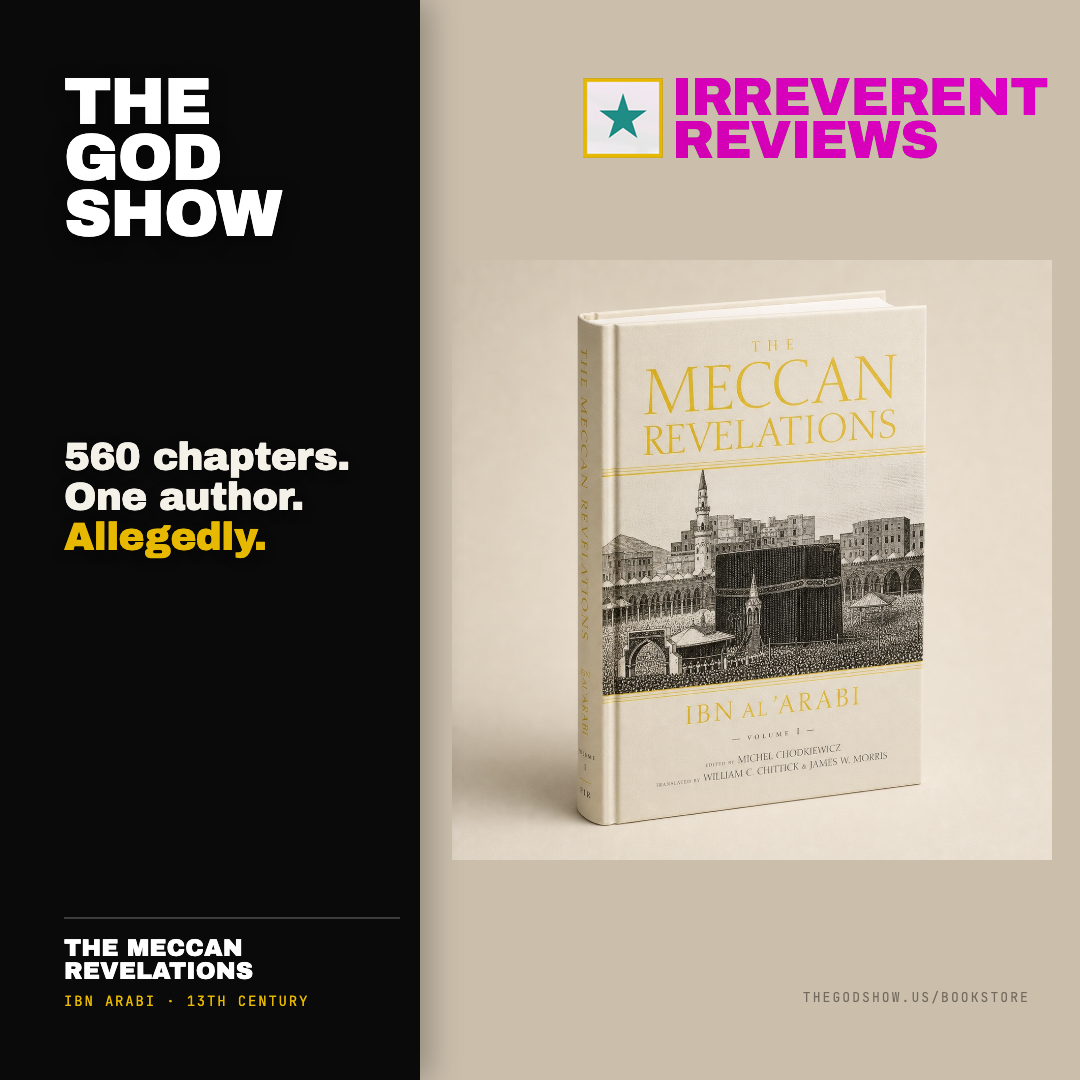
The Meccan Revelations
Ibn Arabi · 13th century
A Sufi master walks into Mecca in 1202, reports that God has started dictating, and does not stop writing for thirty years. Translators still have not caught up.
Read the review →
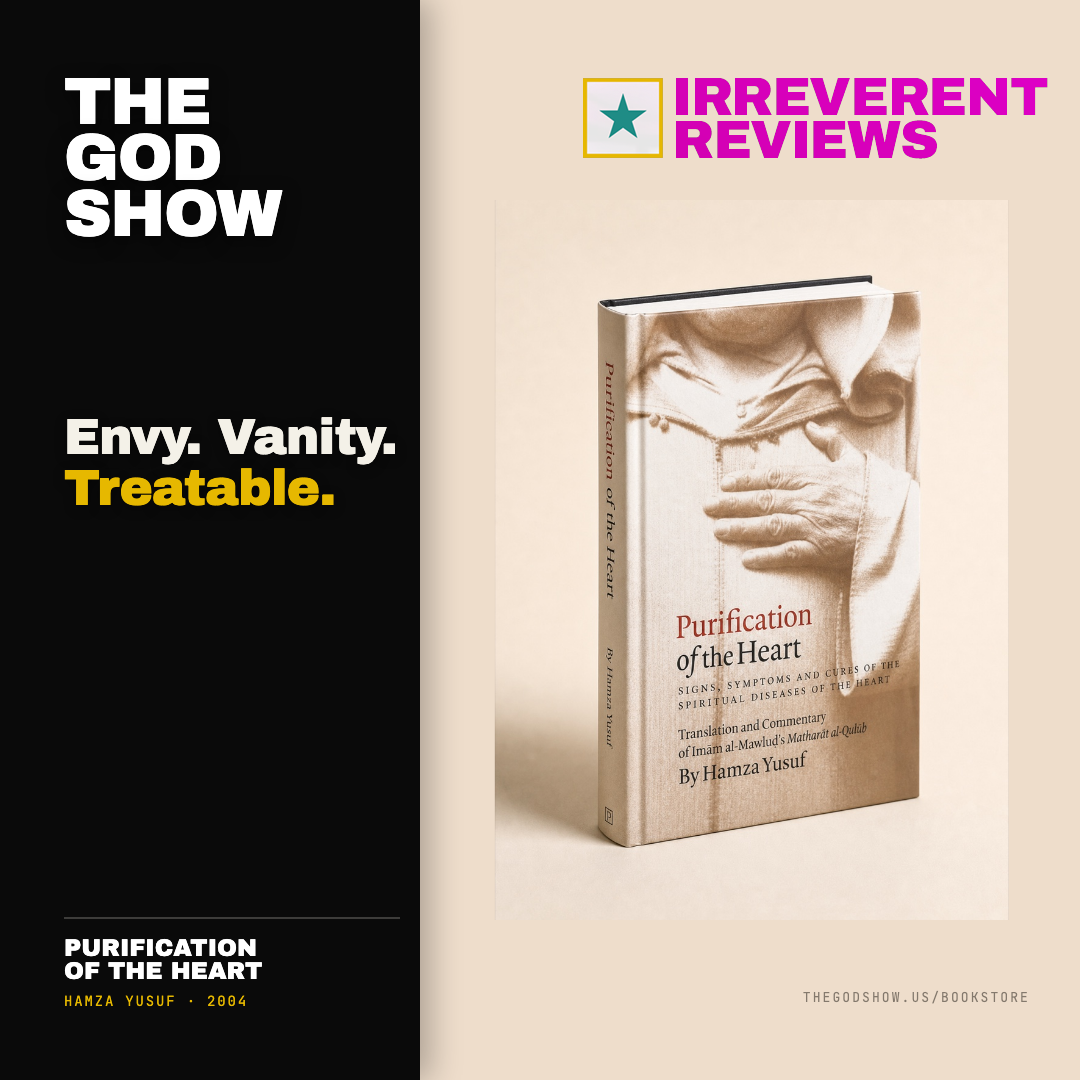
Purification of the Heart
Hamza Yusuf · 2004
A Marin County convert treks into the Sahara, memorizes a 19th-century poem on diseases of the heart, and comes home with a cure for your personality.
Read the review →

Being and Nothingness
Jean-Paul Sartre · 1943
An 800-page ontological brick dropped on postwar Paris that still ruins perfectly good café afternoons.
Read the review →
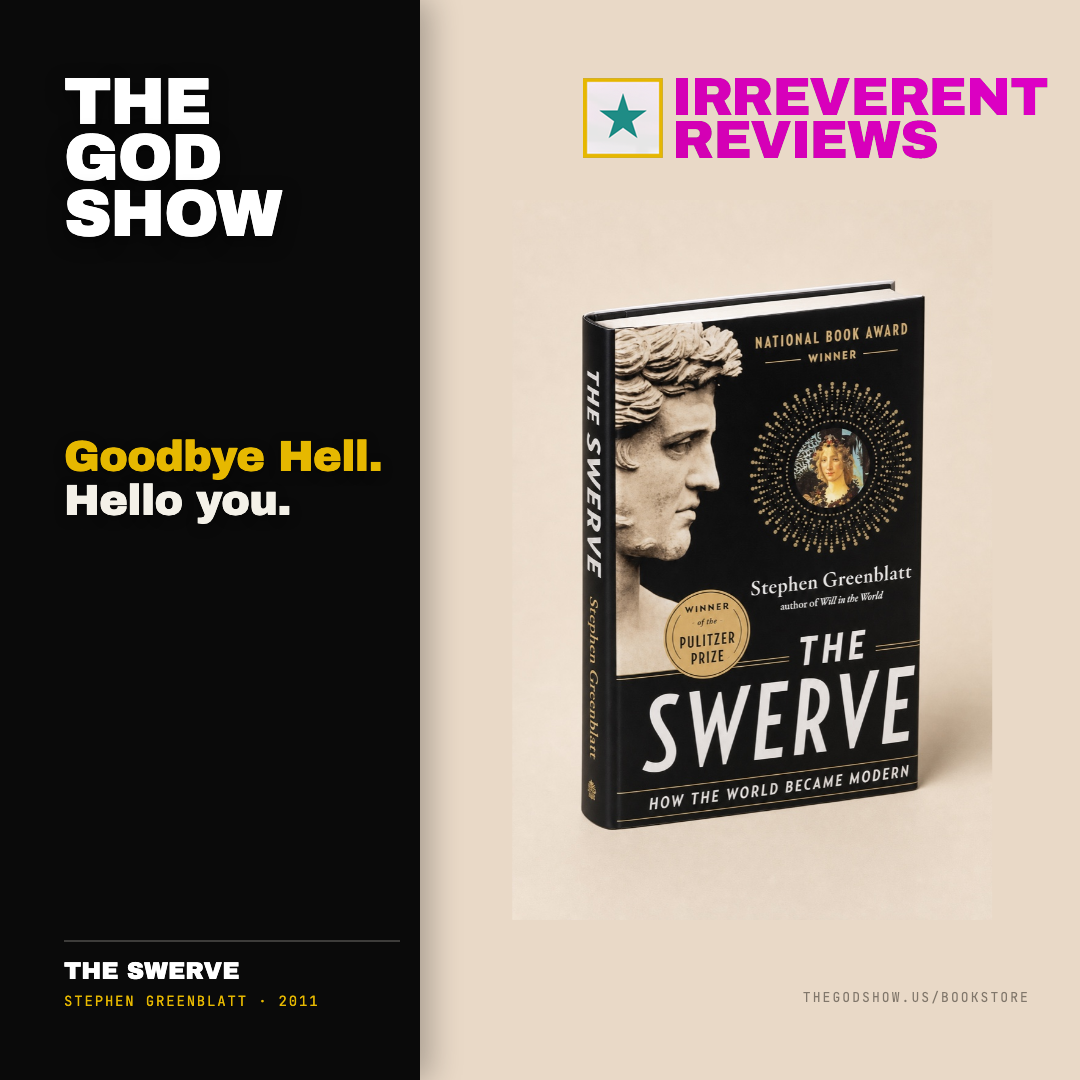
The Swerve
Stephen Greenblatt · 2011
A breezy 300-page heist flick disguised as history that claims one dusty poem accidentally invented you.
Read the review →
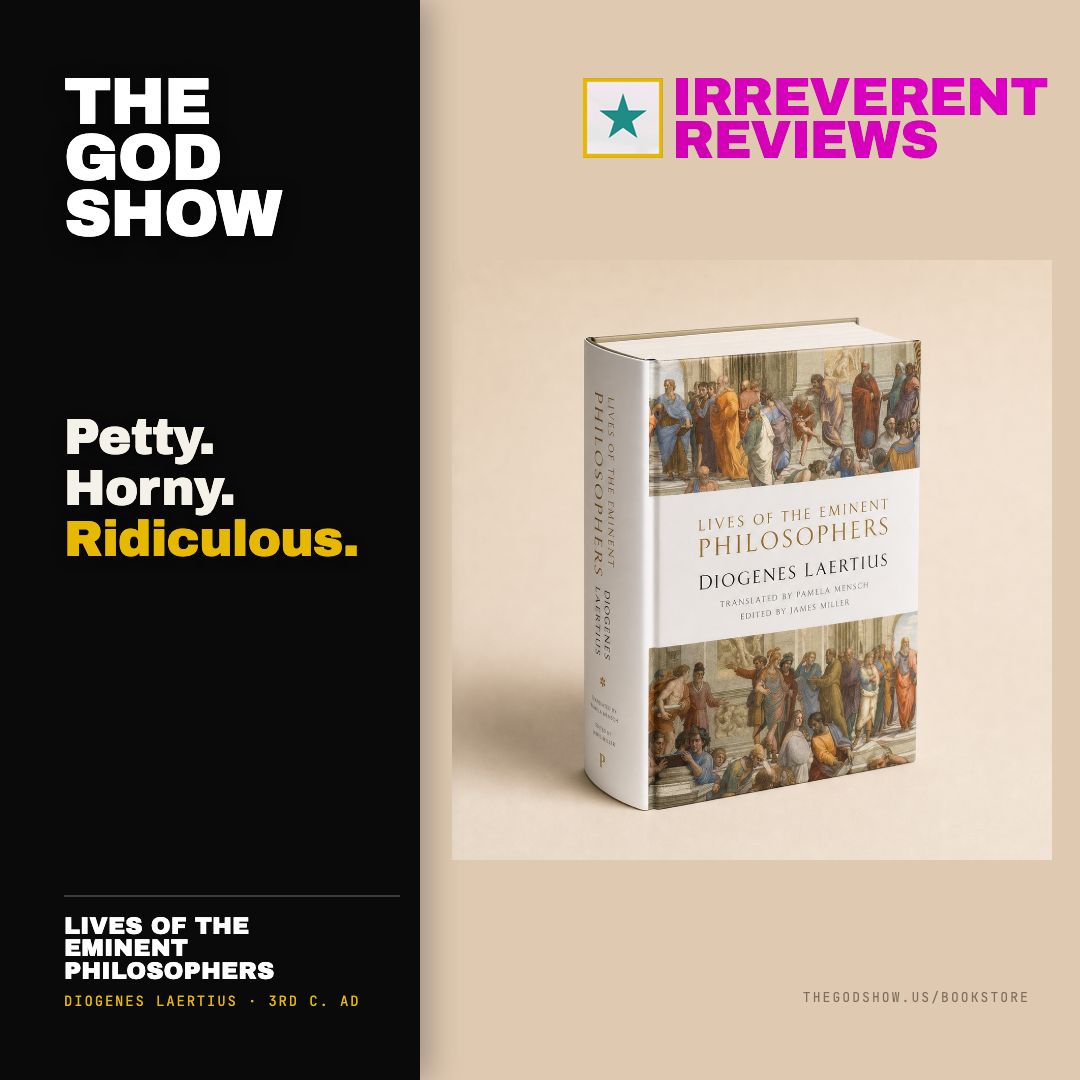
Lives of the Eminent Philosophers
Diogenes Laertius · Circa 3rd century AD
An ancient gossip rag disguised as philosophy that makes modern celebrity takedowns look tame.
Read the review →
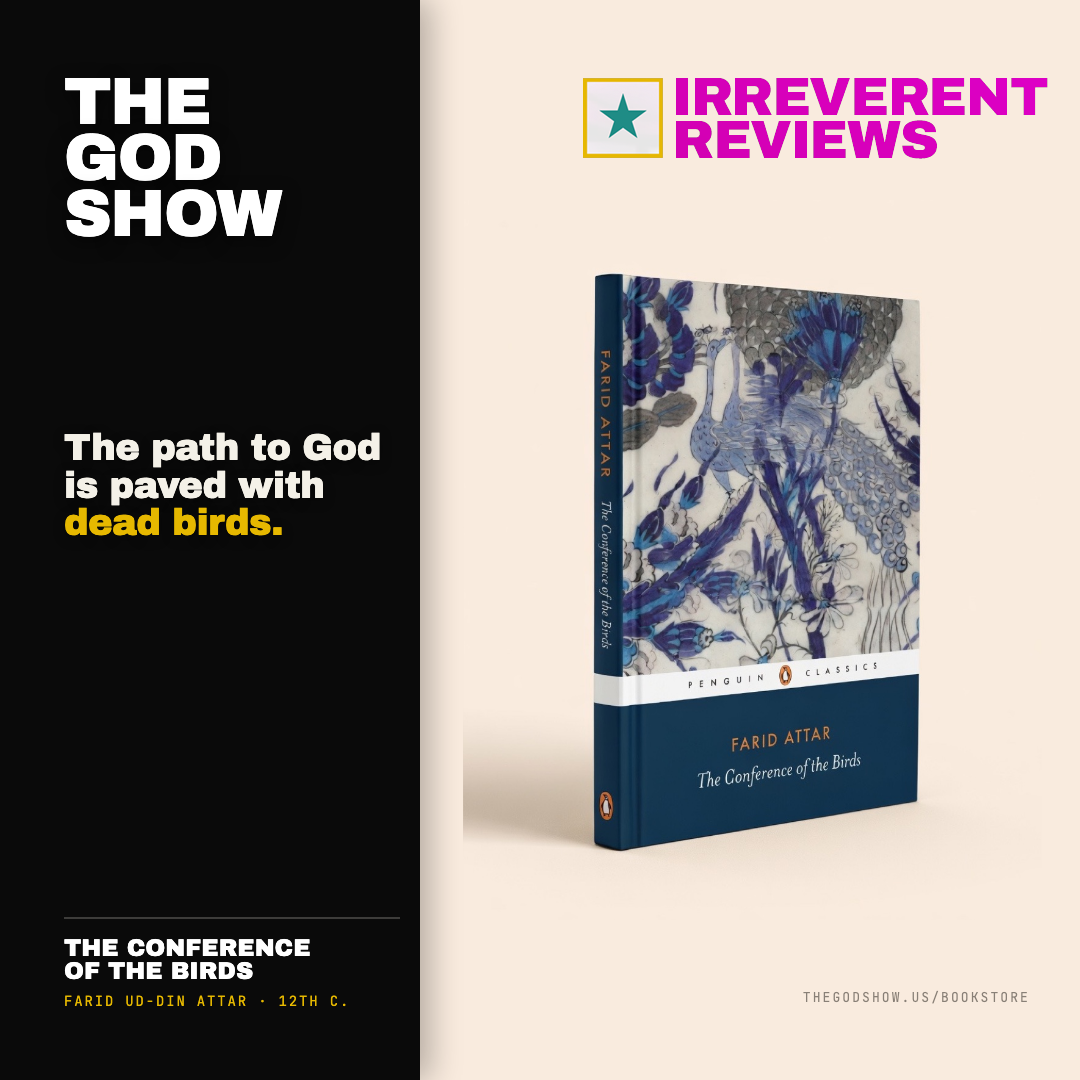
The Conference of the Birds
Farid ud-Din Attar · 12th century
A soaring 200-page Persian Sufi poem that turns feathered metaphors into profound spiritual comedy.
Read the review →
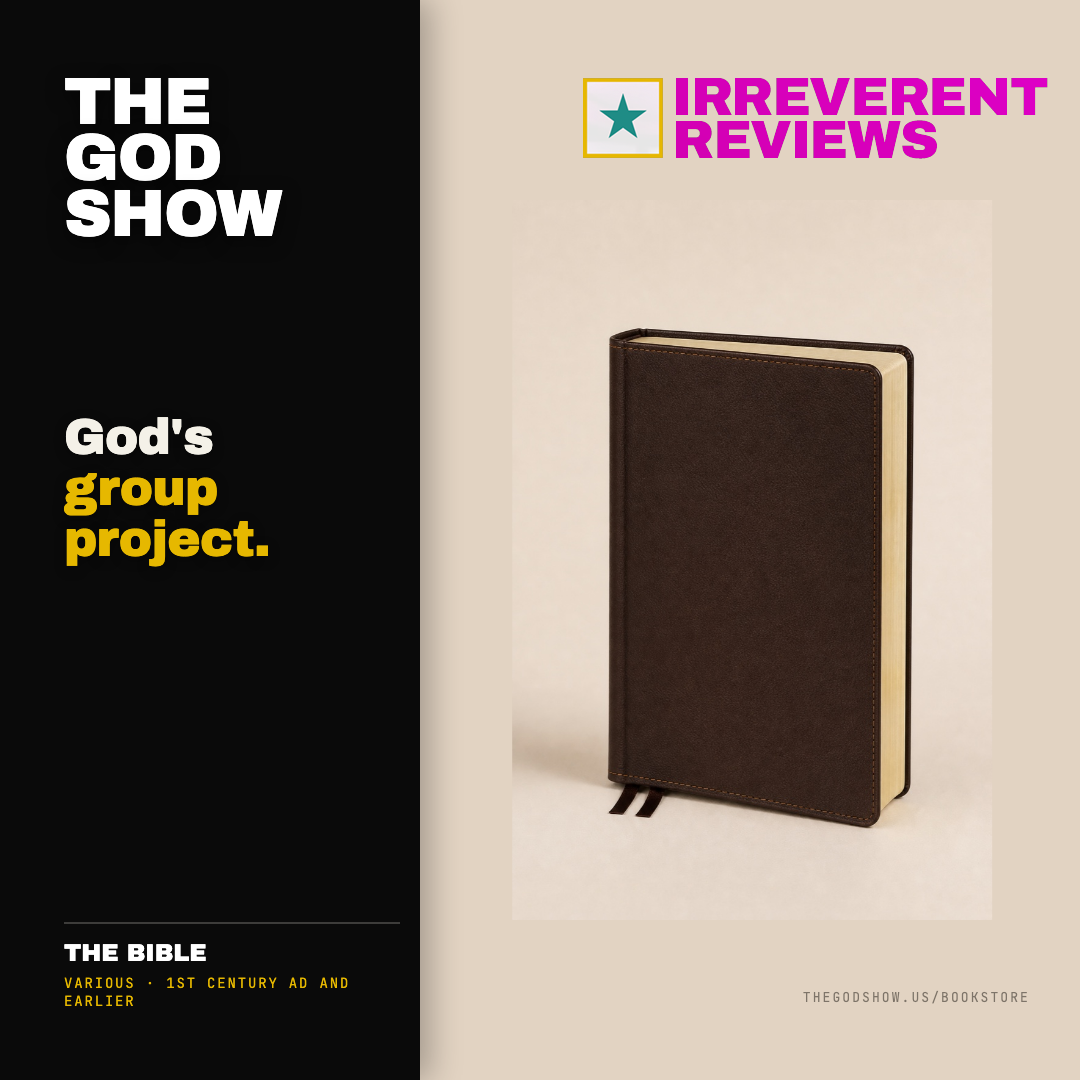
The Bible
Various · 1st century AD and earlier
Sixty-six books, dozens of authors, a thousand-plus years of blown deadlines—now with ruled margins so you can journal your feelings beside Leviticus.
Read the review →
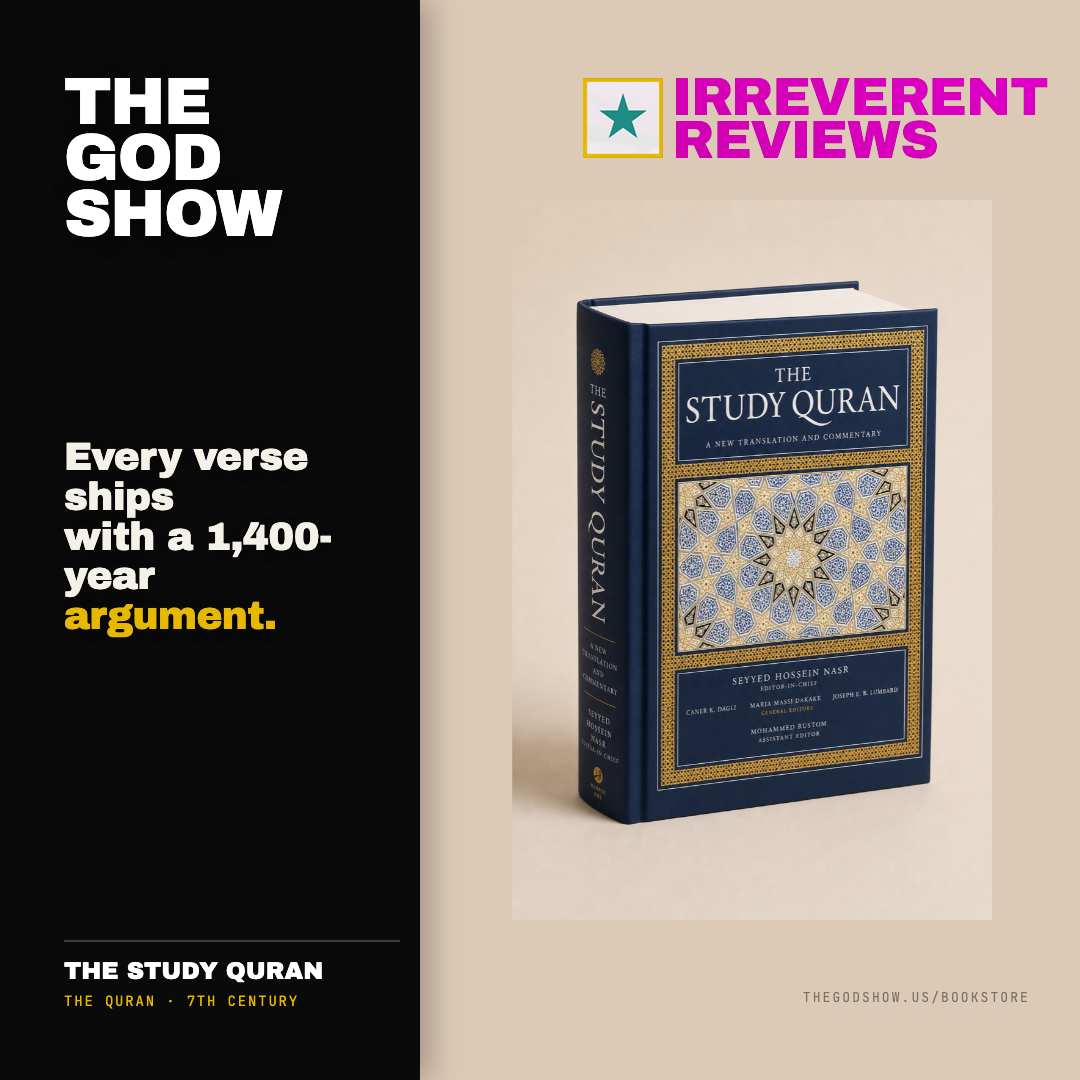
The Study Quran
The Quran · 7th century
HarperOne gives the Quran the deluxe-annotation treatment: nearly 2,000 pages in which forty-one classical commentators politely brawl beneath every verse.
Read the review →
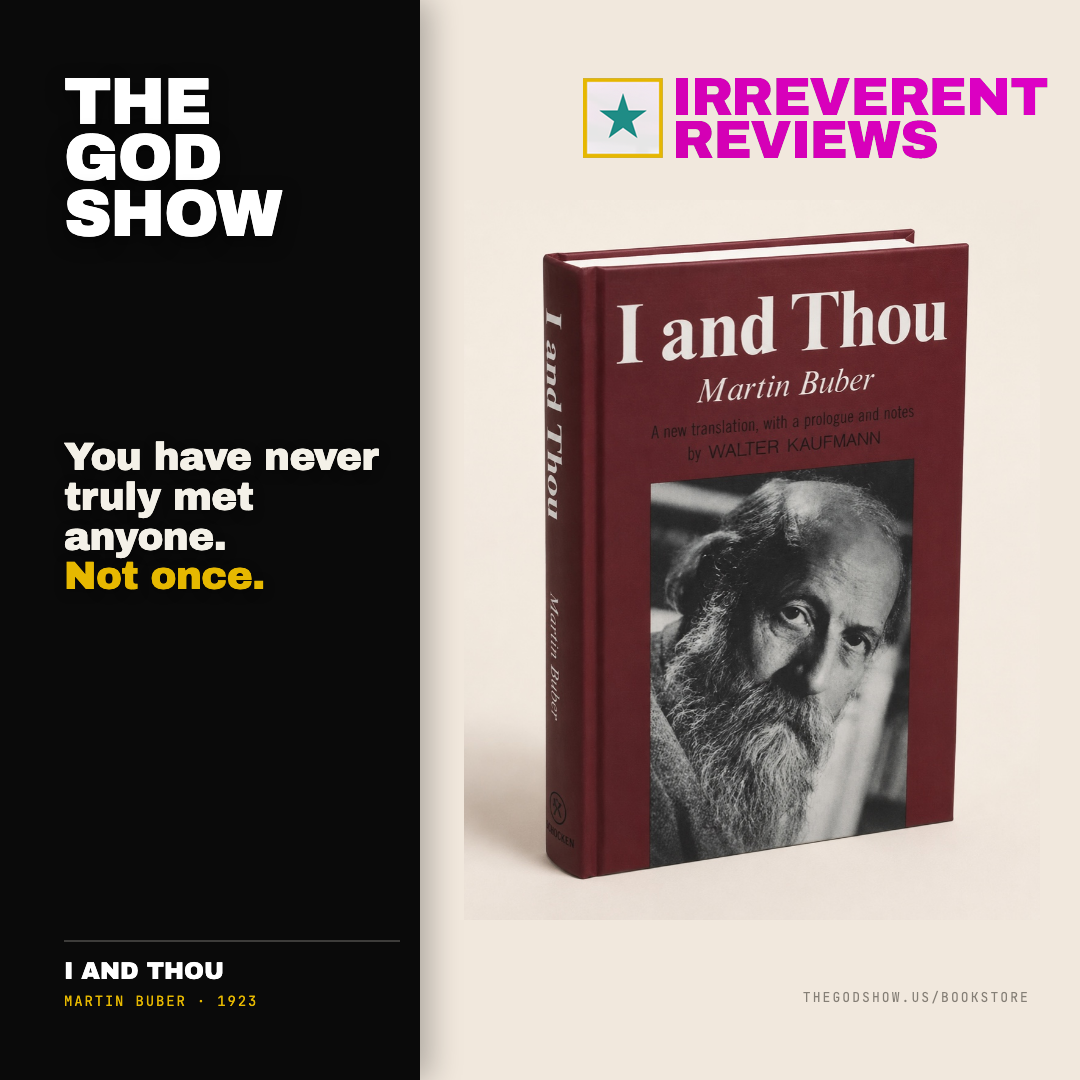
I and Thou
Martin Buber · 1923
A 1923 Viennese prose-poem arguing that nearly every relationship you have is a transaction—and that God only shows up in the ones that aren't.
Read the review →
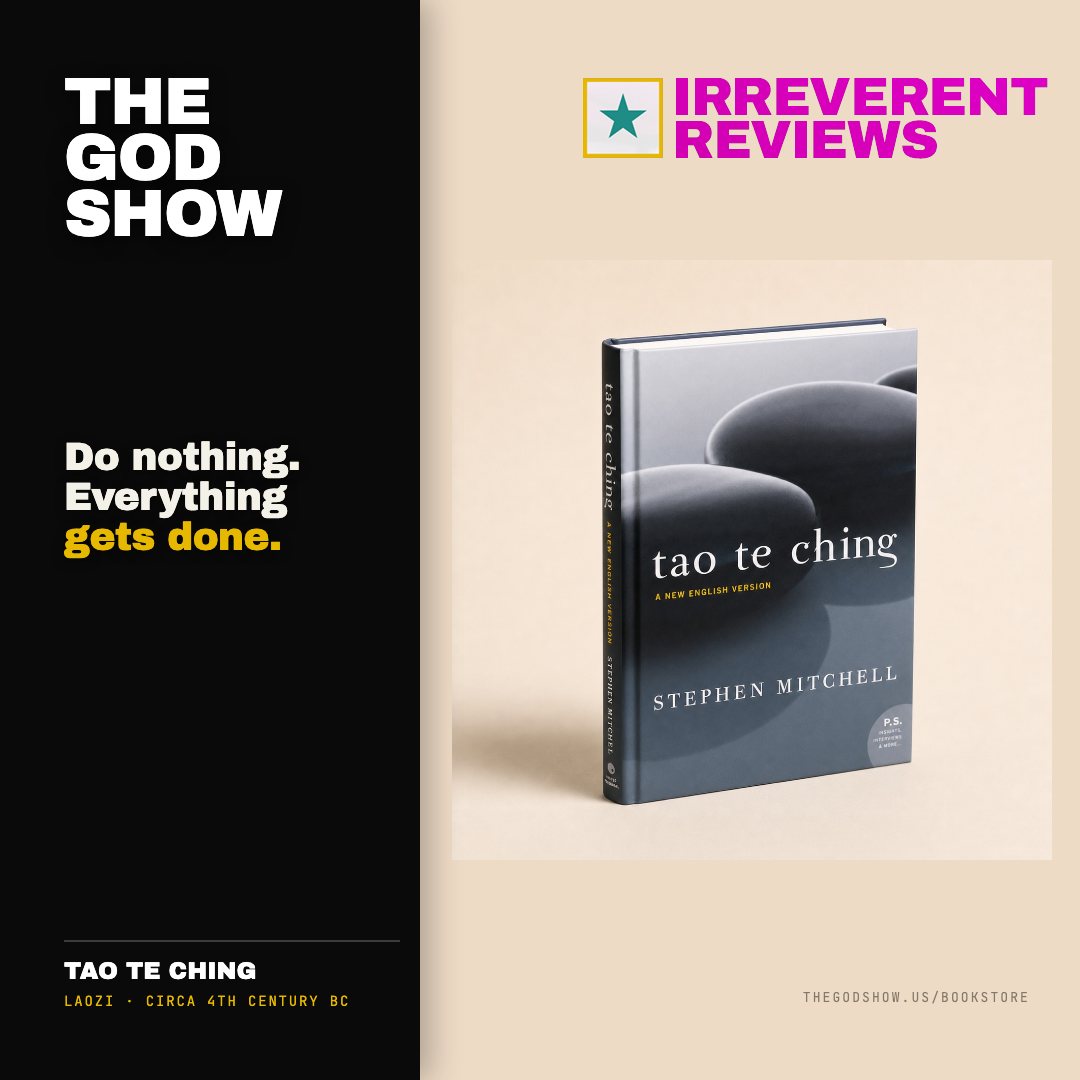
Tao Te Ching
Laozi · Circa 4th century BC
The wisest book on earth, rewritten by a California poet who reads no Chinese—and somehow Laozi, who may not have existed, still wins.
Read the review →

The Stranger
Albert Camus · 1942
A clerk in colonial Algiers feels nothing at his mother's funeral and everything under the noon sun — and France guillotines him for the wrong crime.
Read the review →
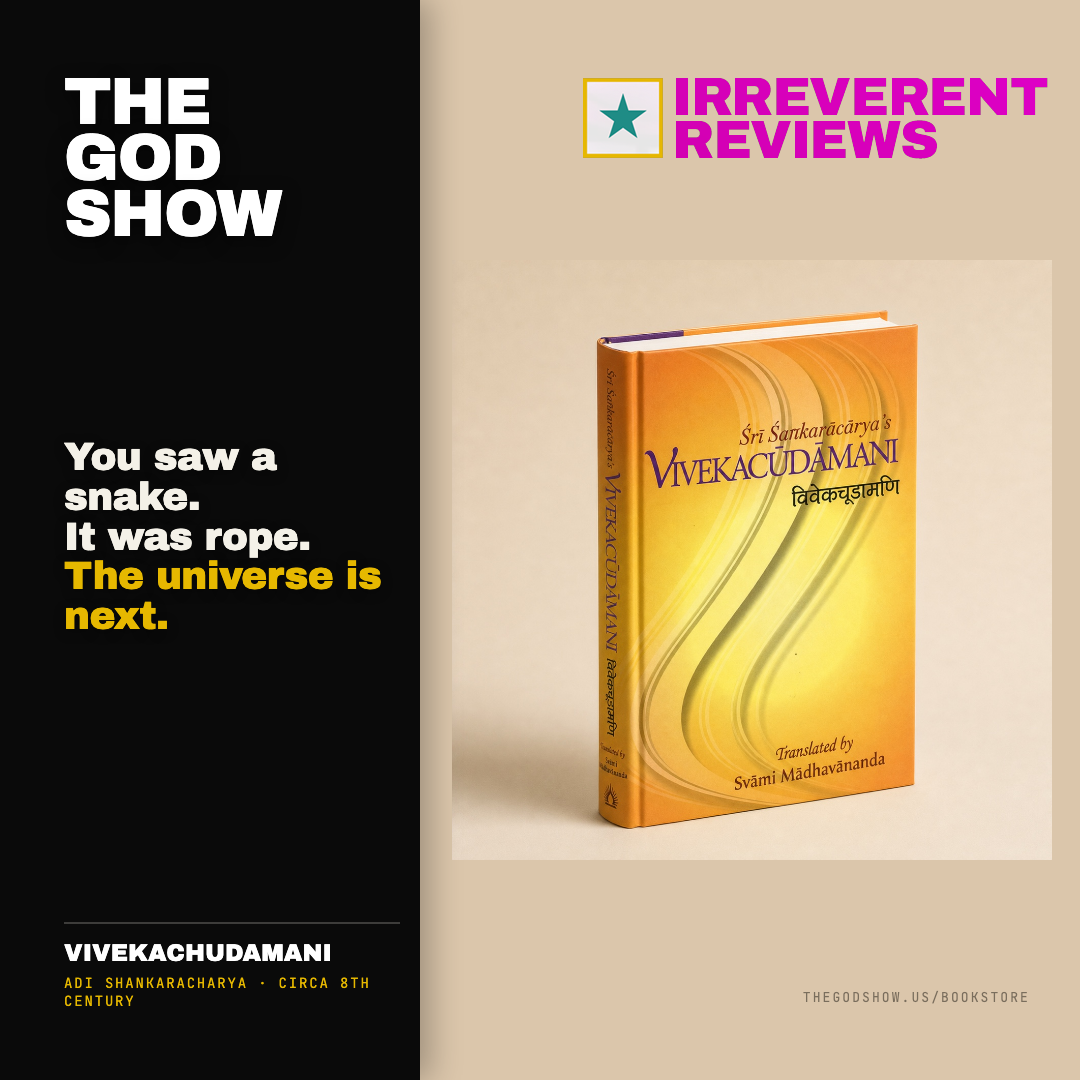
Vivekachudamani
Adi Shankaracharya · Circa 8th century
A medieval monk hands you a crowbar, points at the thing you call 'me,' and starts prying—580 verses on why the reader is the last illusion standing.
Read the review →

The Cynics
R. Bracht Branham & Marie-Odile Goulet-Caze, eds. · 1996
The definitive scholarly autopsy of philosophy's barking street saints — the dropouts who turned shamelessness into a spiritual discipline.
Read the review →
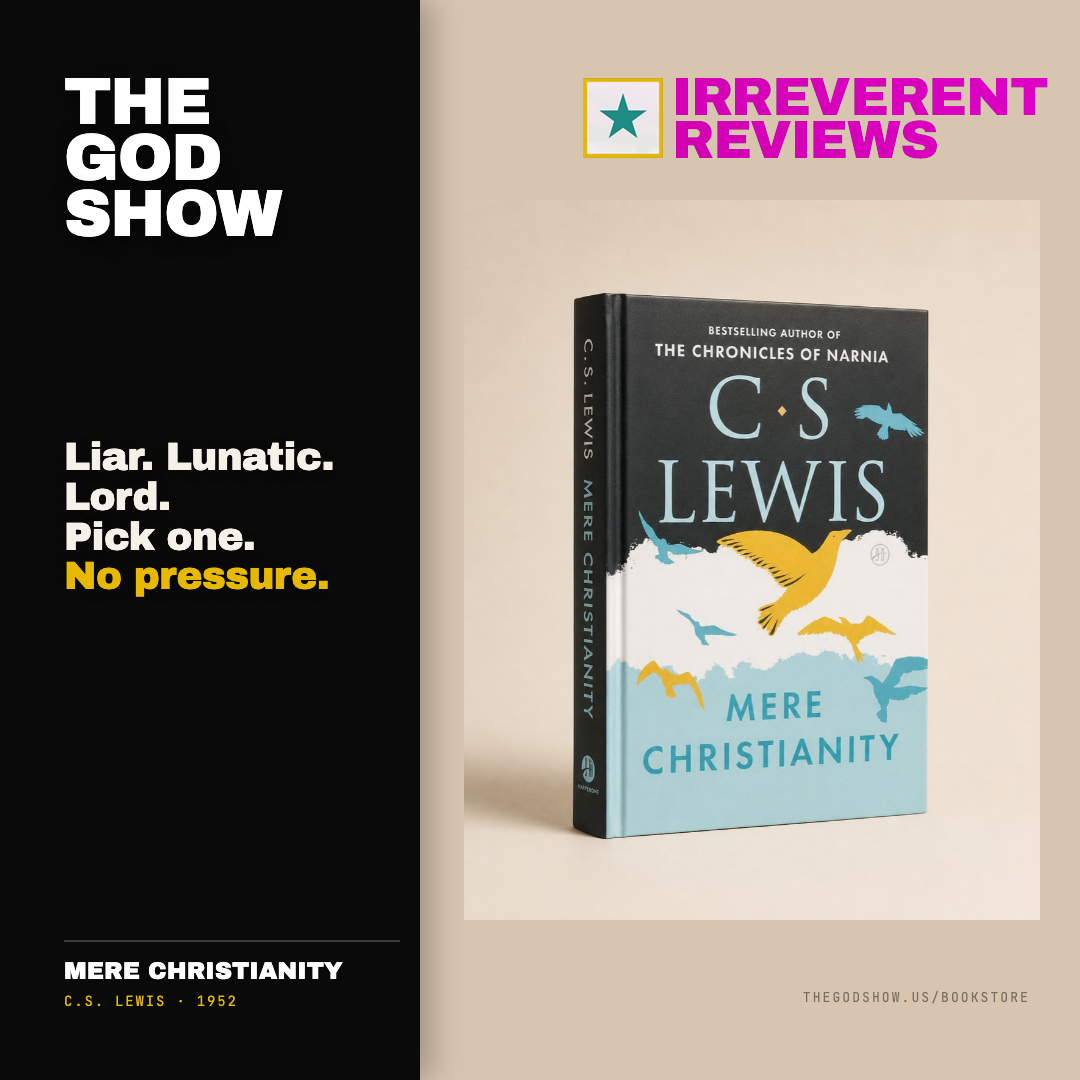
Mere Christianity
C.S. Lewis · 1952
The Blitz-era radio talks that became Christianity's smoothest sales funnel—cozy fireside logic from an Oxford don who had already tried atheism and quit.
Read the review →

The Heart of Islam
Seyyed Hossein Nasr · 2002
Months after 9/11, America wanted a suspect sketch of Islam. The Shah's exiled court philosopher handed it a Persian miniature instead.
Read the review →
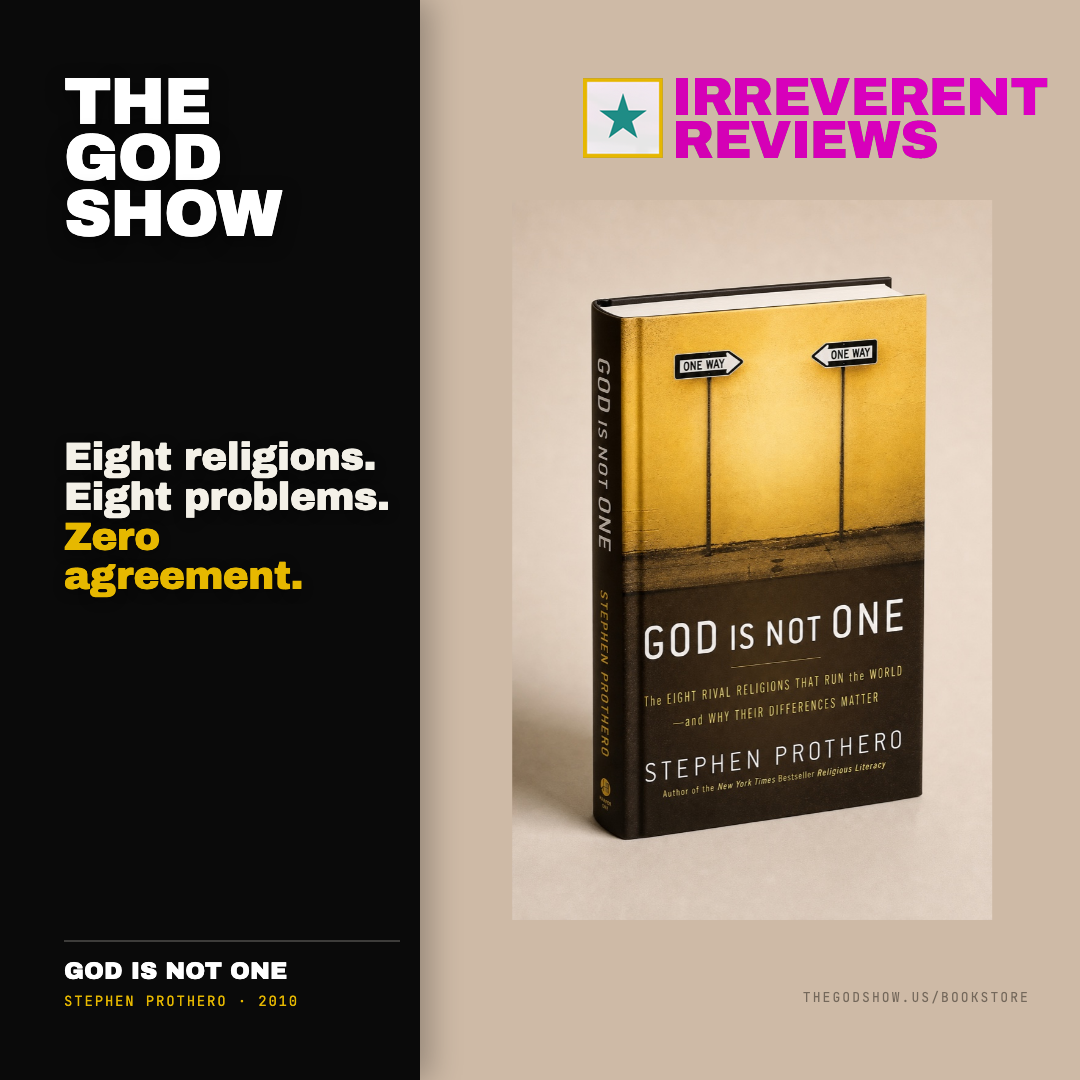
God Is Not One
Stephen Prothero · 2010
A religion professor torches the kumbaya consensus that all faiths climb one mountain—and argues the differences are exactly what we can't afford to flunk.
Read the review →

The Three Pillars of Zen
Philip Kapleau · 1965
A Nuremberg court reporter transcribes humanity's worst, develops ulcers, flies to Japan at 41, and returns with the West's first real instruction manual for zazen.
Read the review →
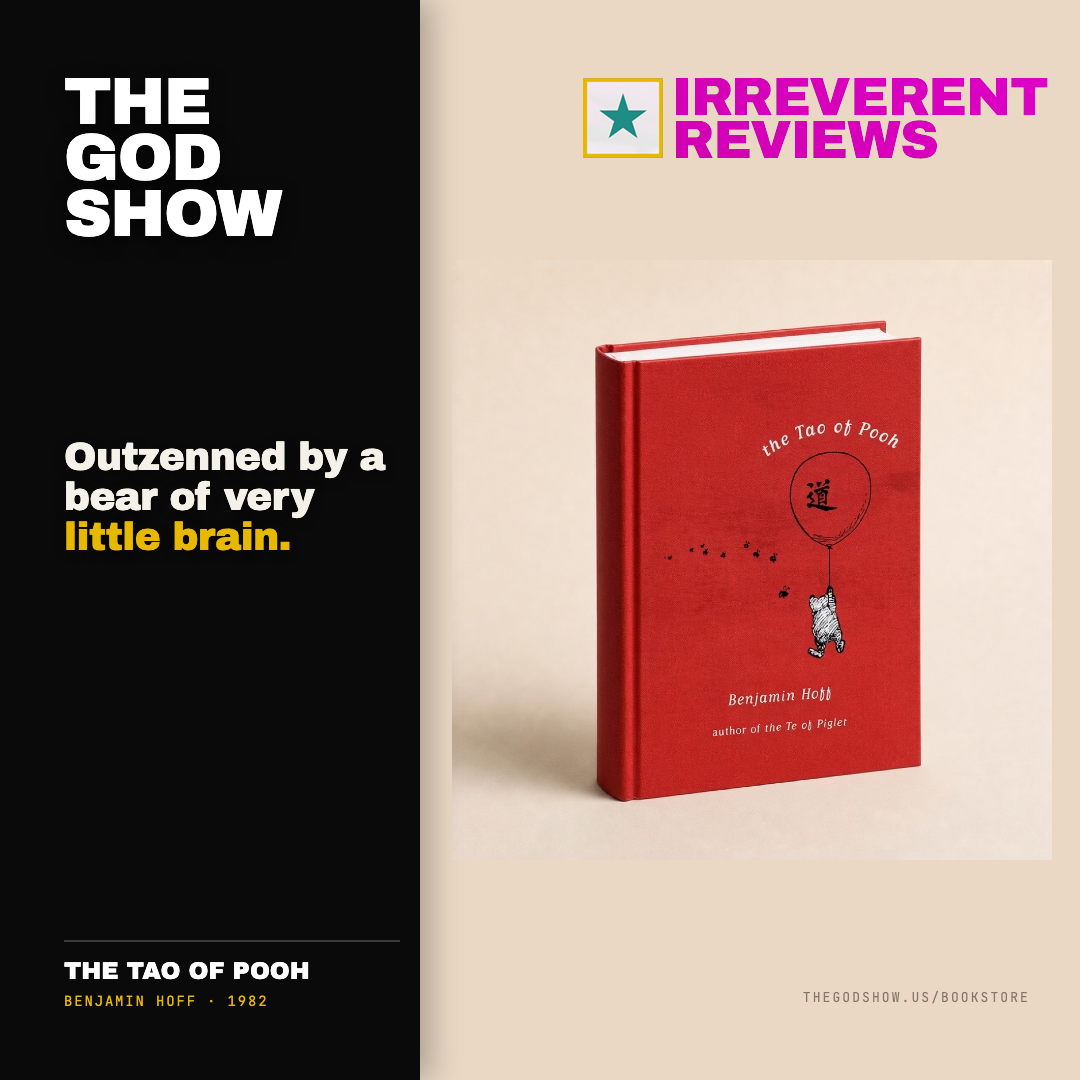
The Tao of Pooh
Benjamin Hoff · 1982
Benjamin Hoff weaponized a stuffed bear against Western overthinking, sat on the bestseller list for 49 weeks, then rage-quit publishing entirely.
Read the review →
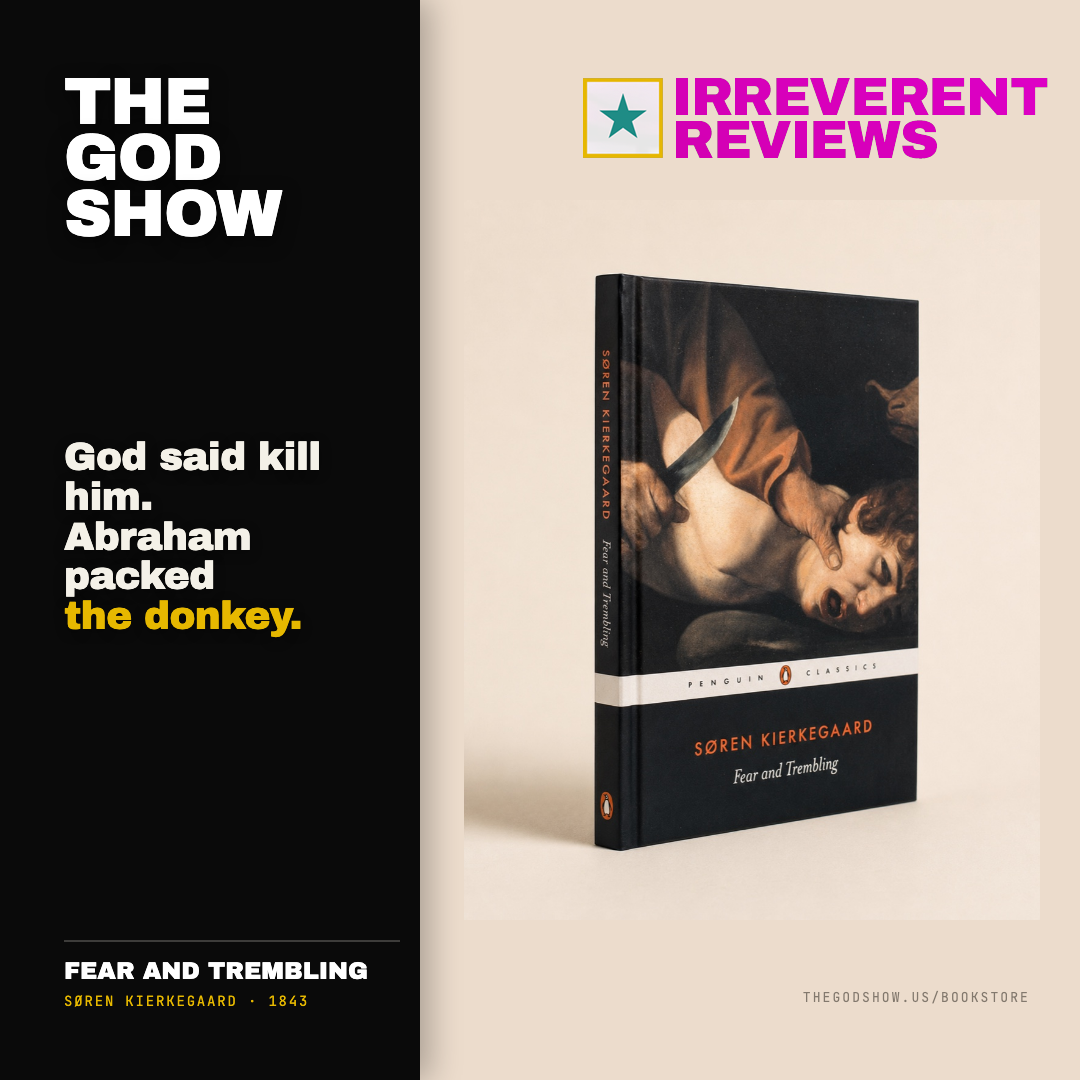
Fear and Trembling
Søren Kierkegaard · 1843
A jilted Dane stares at the Abraham story until it stops being Sunday school and becomes a horror film about what trusting God actually costs.
Read the review →
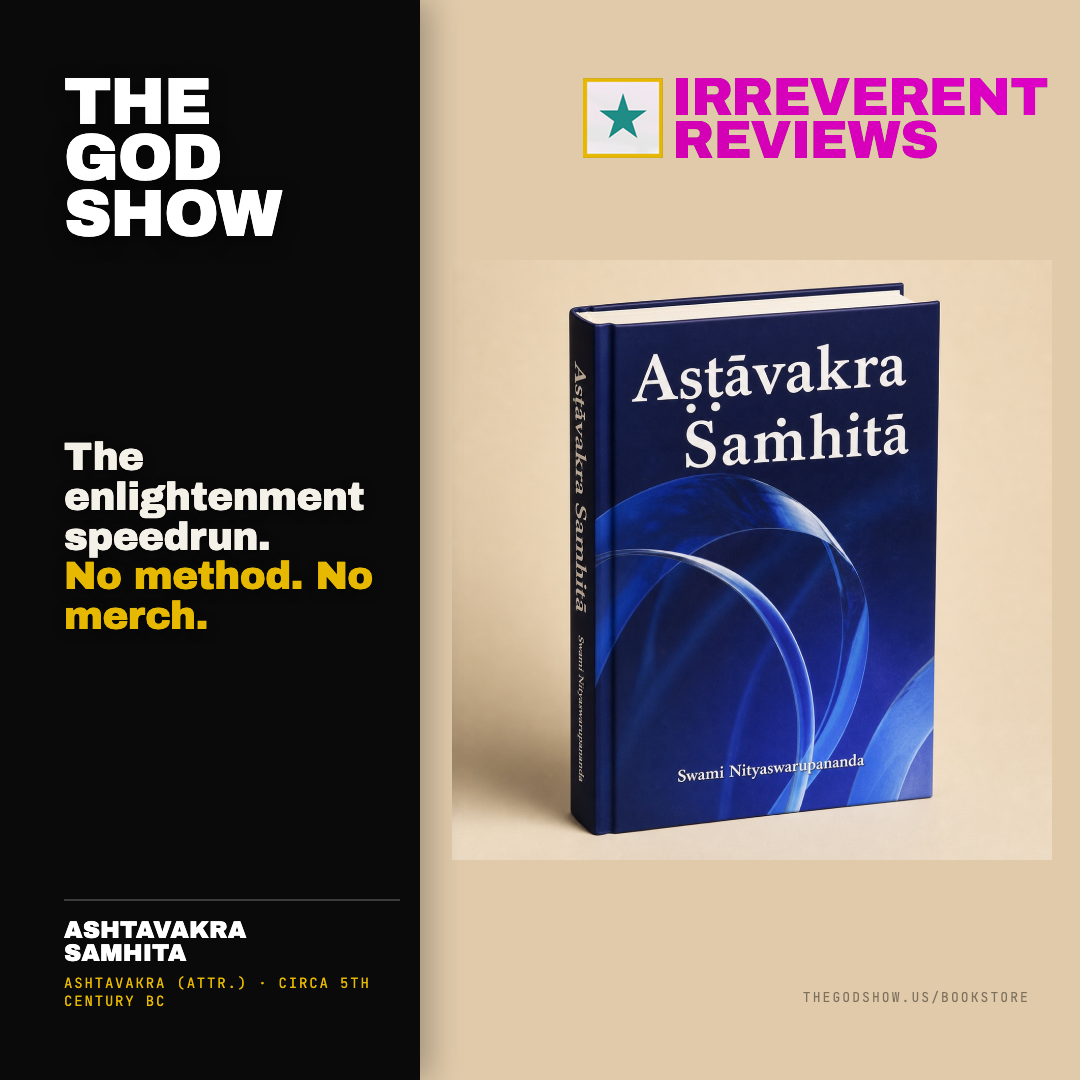
Ashtavakra Samhita
Ashtavakra (attr.) · Circa 5th century BC
A sage bent in eight places limps into court, the scholars laugh, the king listens—and attains liberation so fast the rest of the book is a victory lap.
Read the review →

Walden
Henry David Thoreau · 1854
Thoreau spent twenty-six months on Emerson's woodlot and came back holding America's most quotable scripture — plus the most audited grocery bill in literature.
Read the review →
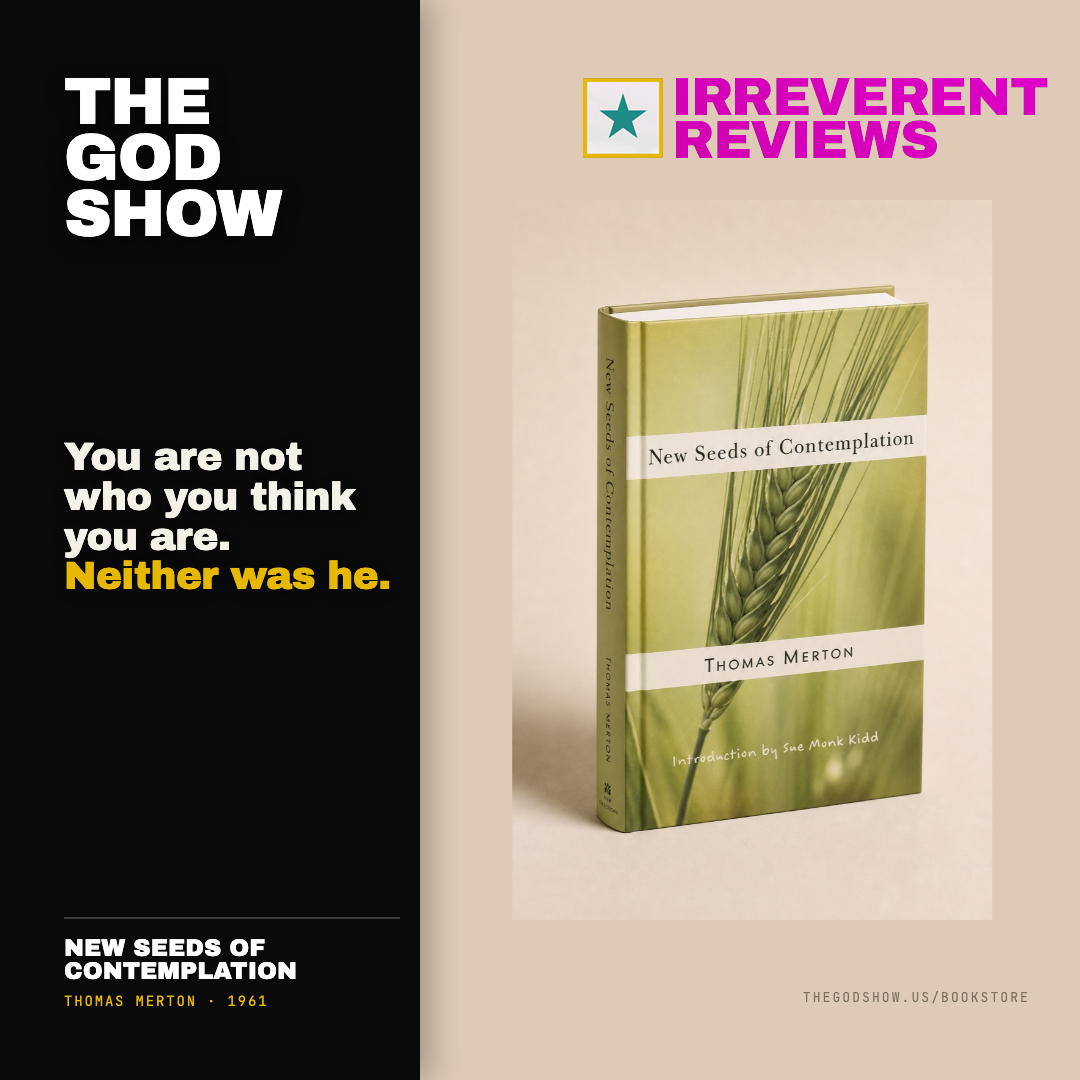
New Seeds of Contemplation
Thomas Merton · 1961
America's most famous silent monk rewrote his own classic to correct its smugness—then explained why the self on your business card is a forgery.
Read the review →
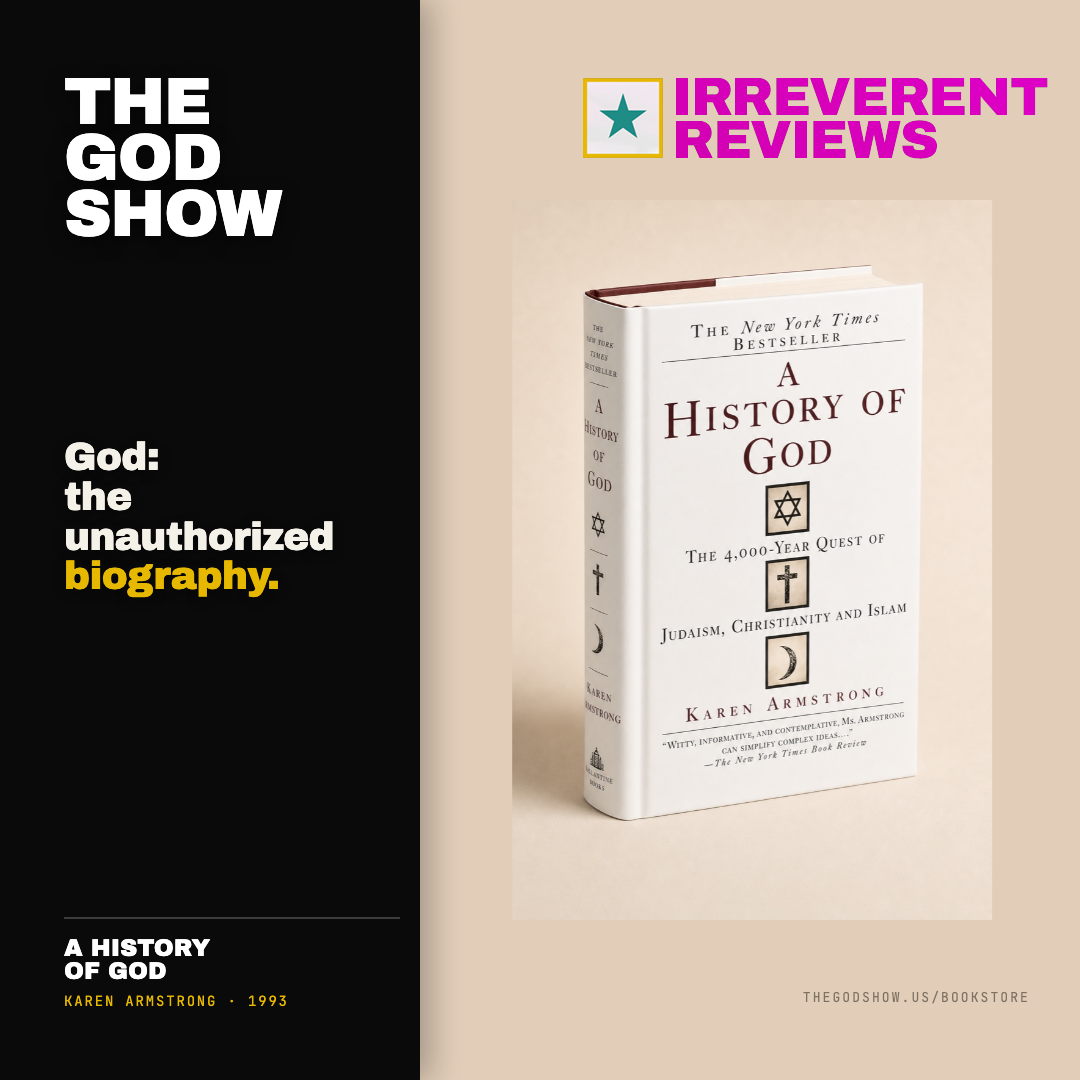
A History of God
Karen Armstrong · 1993
An ex-nun with a rejected Oxford thesis sat down to write God's 4,000-year performance review—and it sold like absolution.
Read the review →
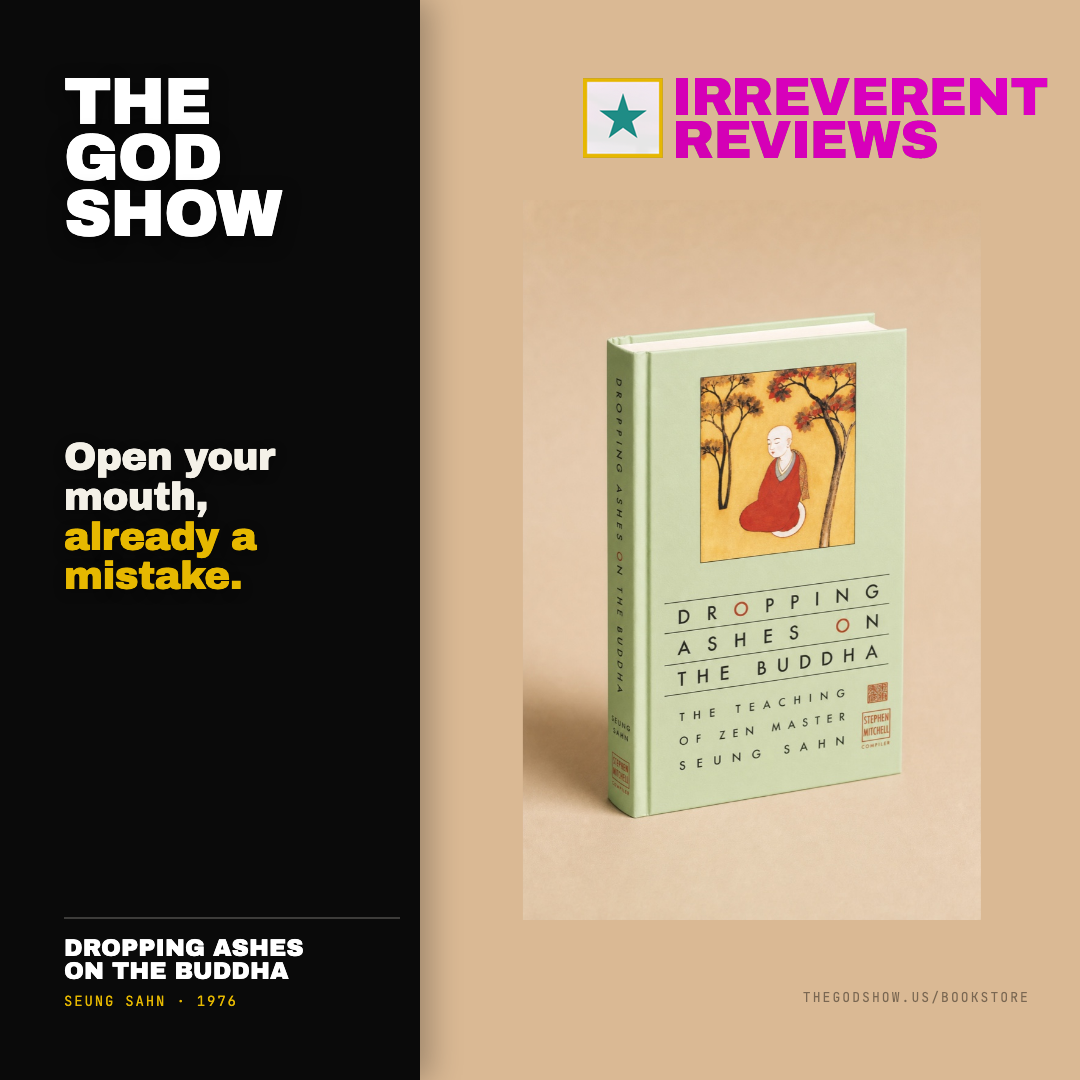
Dropping Ashes on the Buddha
Seung Sahn · 1976
A Korean Zen master lands in Providence in 1972, repairs washing machines for rent money, and starts demolishing American egos in magnificently broken English.
Read the review →

Zhuangzi: Basic Writings
Zhuangzi · Circa 4th century BC
The funniest man in ancient China wrote the only scripture that giggles: dead skulls, useless trees, debating fish, and a butterfly with an identity problem.
Read the review →
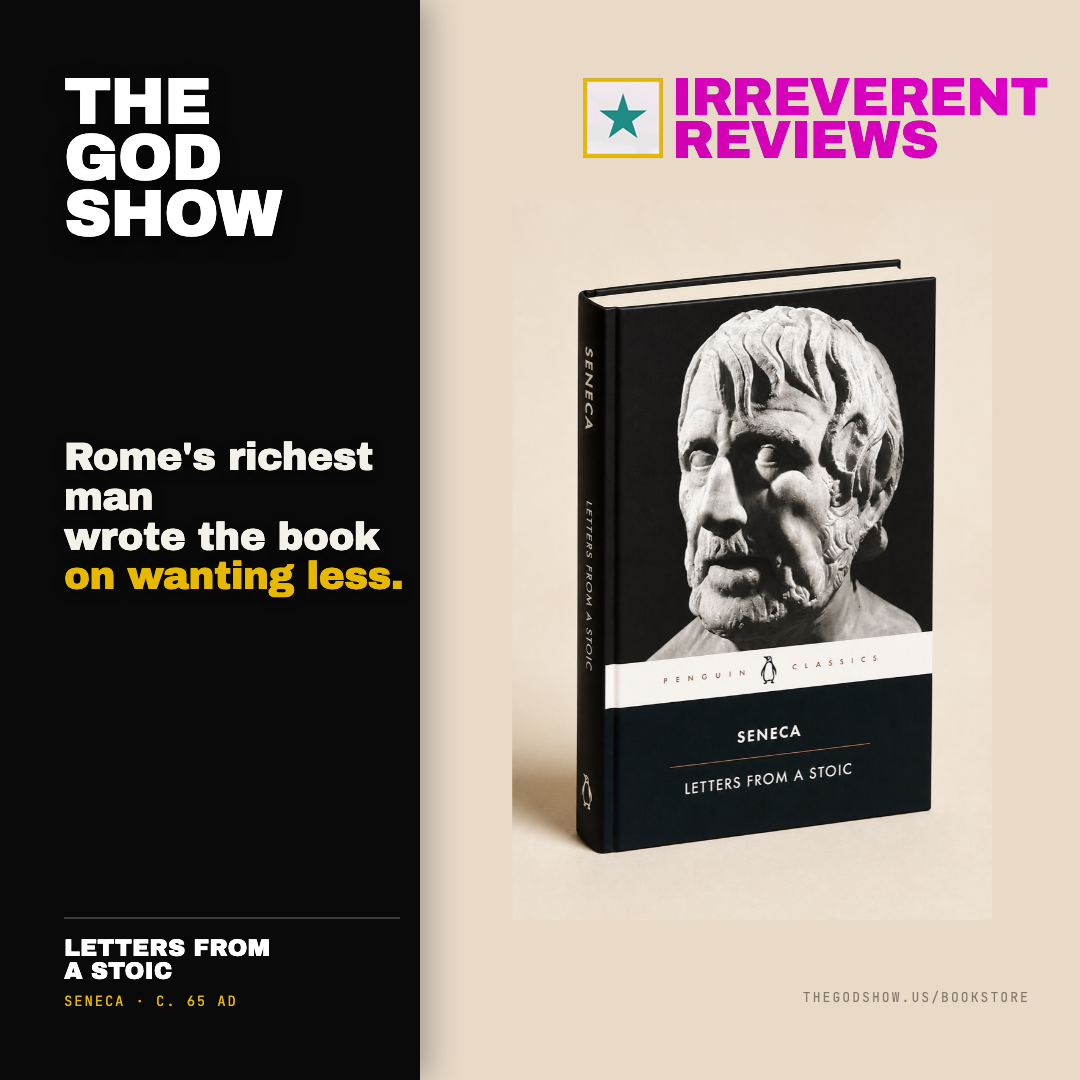
Letters from a Stoic
Seneca · c. 65 AD
Exiled by one emperor, executed by another, quotable in between: the best advice column in Roman history was written waiting for the knock on the door.
Read the review →

The Plague
Albert Camus · 1947
Camus locks an Algerian port city in quarantine and discovers the only superpower against mass death: doing your job until it kills you.
Read the review →
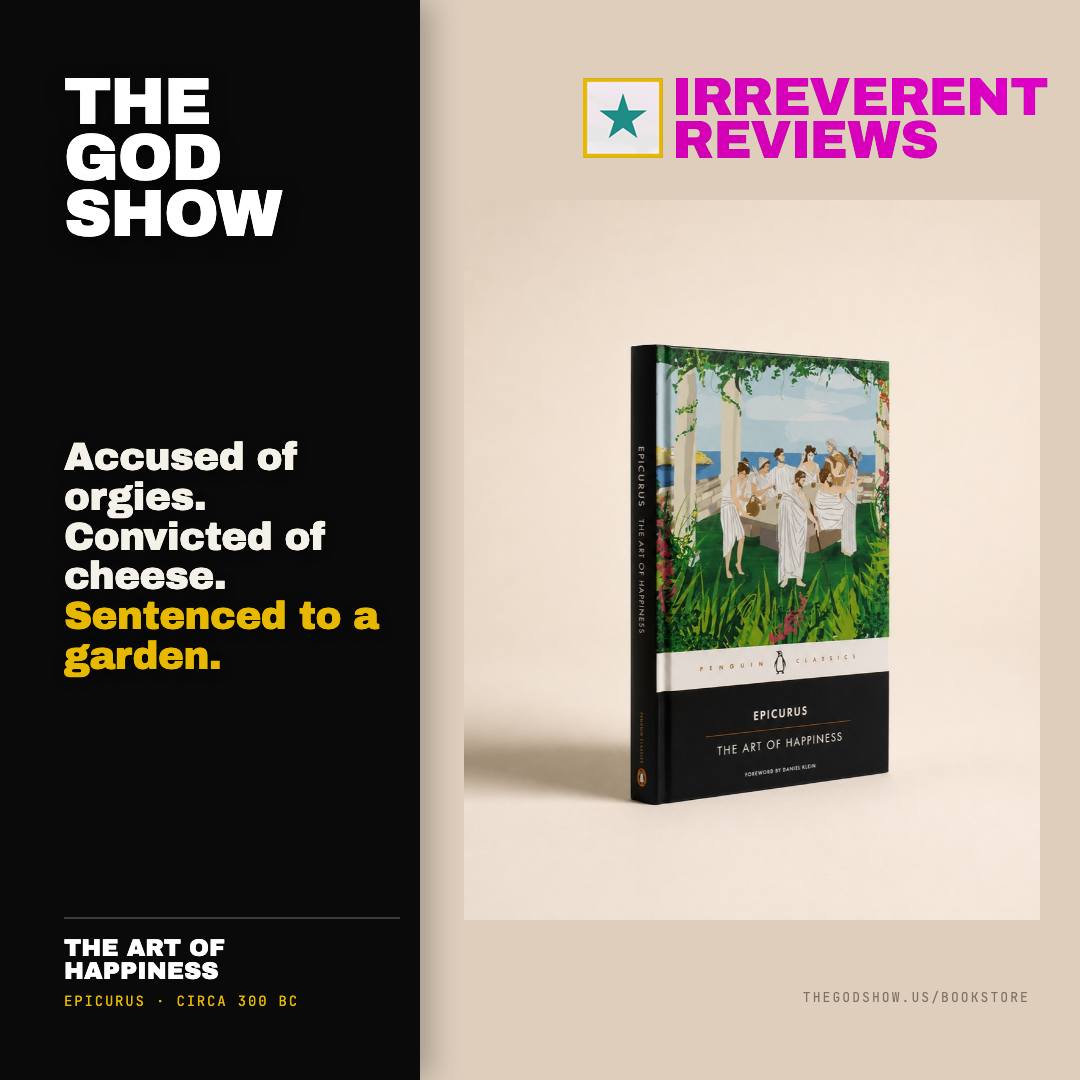
The Art of Happiness
Epicurus · Circa 300 BC
His name became a synonym for fine dining. His menu was bread and water. Everything that survives of Epicurus is a system for subtracting fear, not adding truffles.
Read the review →

Emergency
Neil Strauss · 2009
The Game guy gets scared, buys a second passport, learns to kill what he eats, and accidentally writes a conversion memoir for the apocalypse-curious.
Read the review →
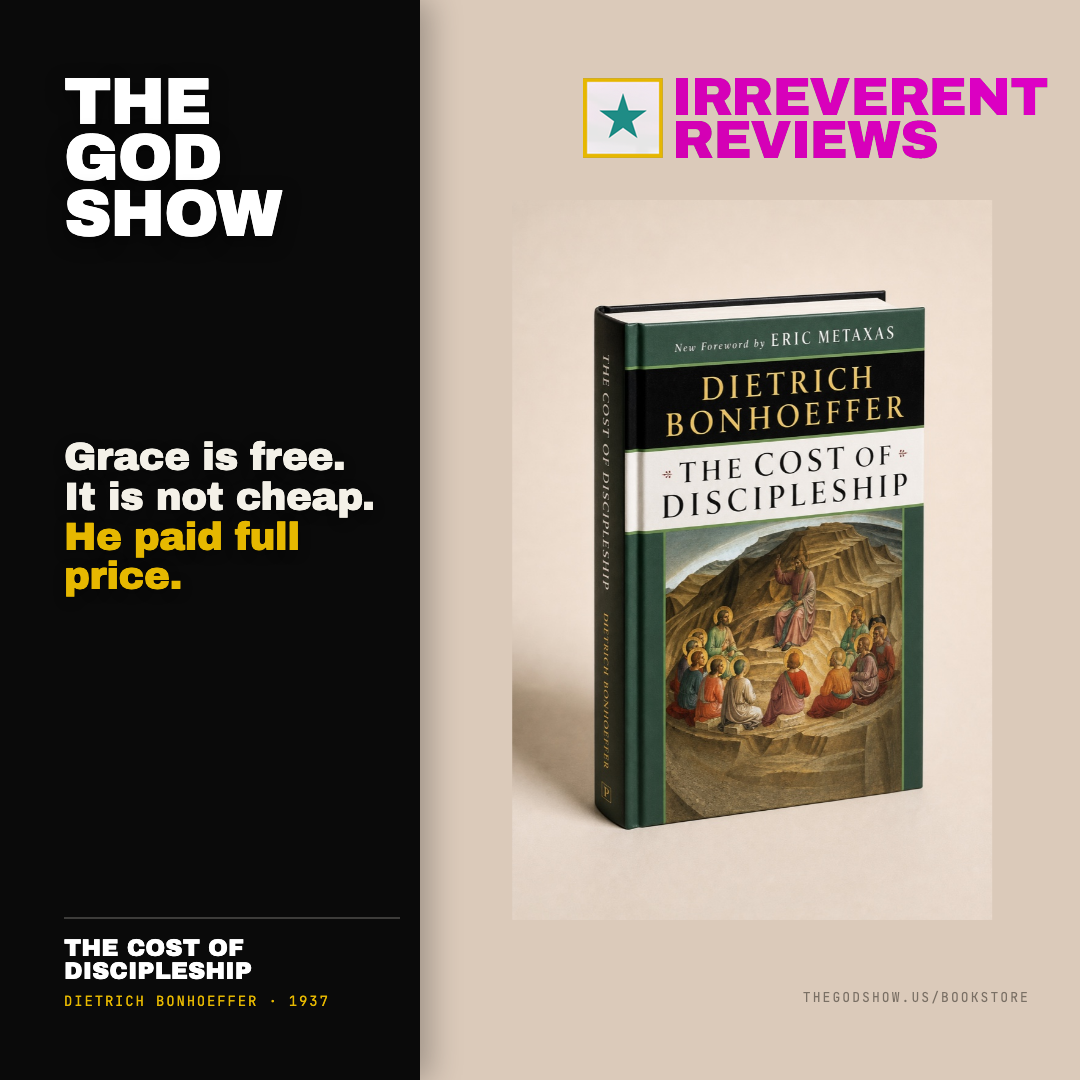
The Cost of Discipleship
Dietrich Bonhoeffer · 1937
Written at 31 while running an illegal seminary under the Gestapo's nose—the century's most credible takedown of forgiveness as a subscription perk.
Read the review →
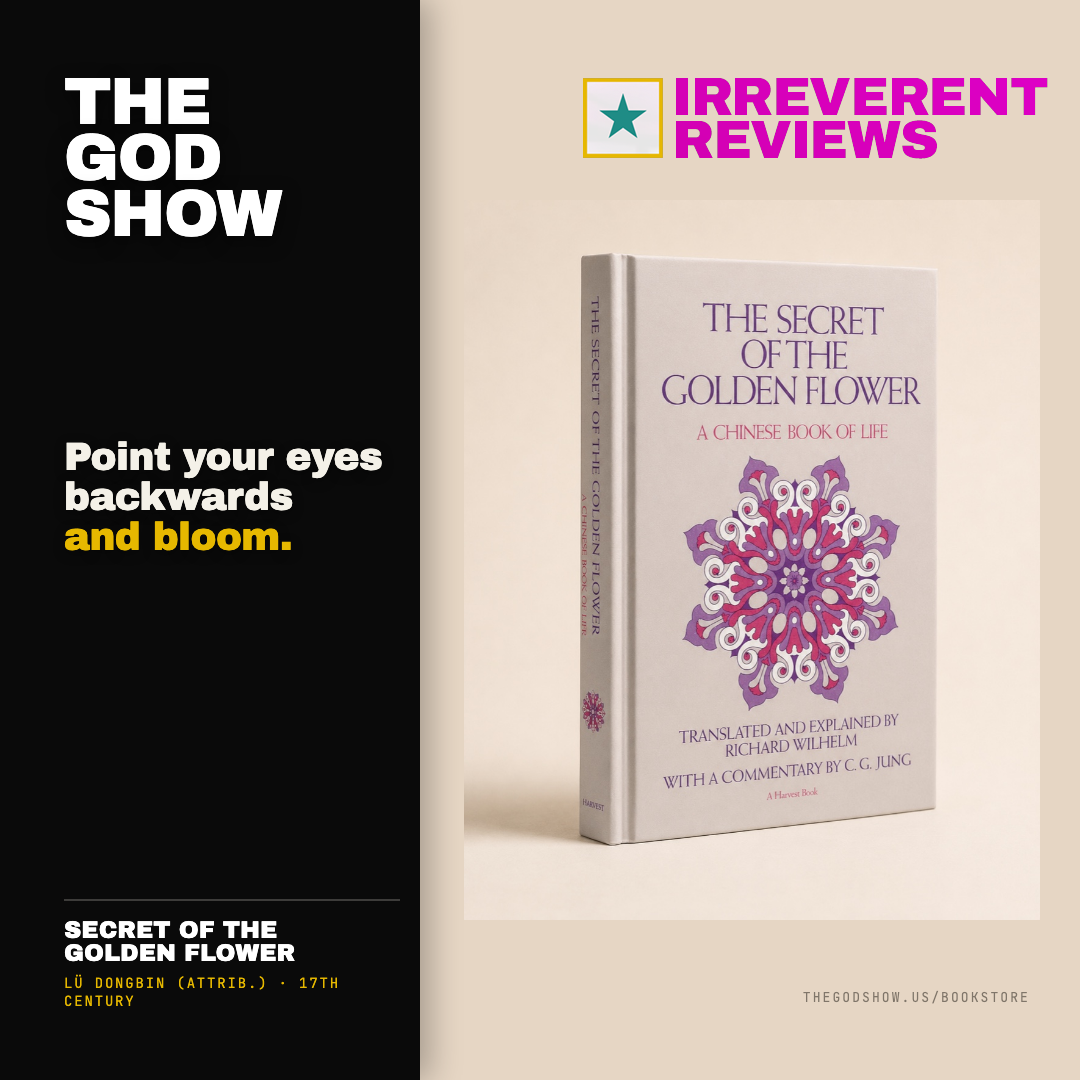
The Secret of the Golden Flower
Lü Dongbin (attributed) · Circa 17th century
A Taoist alchemy manual dictated by a dead immortal, translated by a missionary who converted no one, and annexed by Carl Jung as evidence for Carl Jung.
Read the review →

Discourses and Selected Writings
Epictetus · c. 108 AD
Roman elites paid tuition to be verbally demolished by a formerly enslaved teacher who insisted they already owned the only thing worth having.
Read the review →

The Fall
Albert Camus · 1956
In a foggy Amsterdam bar, a charming ex-lawyer buys you a drink and performs the most weaponized confession in literature. You are not the audience. You're the catch.
Read the review →
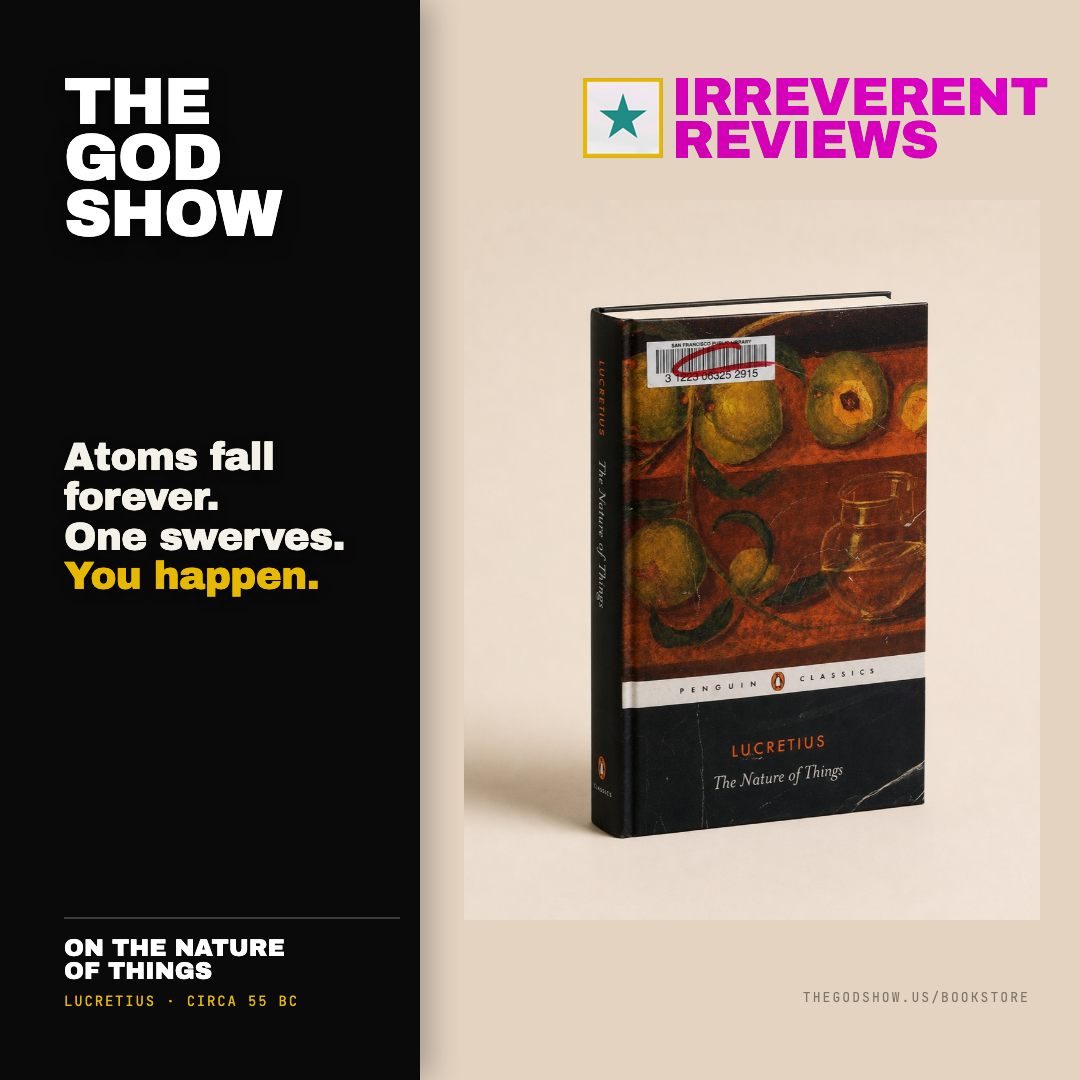
On the Nature of Things
Lucretius · Circa 55 BC
Rome's strangest masterpiece: a physics textbook in hexameter that debunks the gods, dismantles romance, and ends mid-plague with the heavens conspicuously silent.
Read the review →

The Electric Kool-Aid Acid Test
Tom Wolfe · 1968
Tom Wolfe, sober in a white suit, rides along with Ken Kesey's Merry Pranksters and files the founding gospel of psychedelic America.
Read the review →

Islam: A Short History
Karen Armstrong · 2000
Published in 2000 to polite reviews; one Tuesday in September turned it into the most urgently thumbed paperback in America.
Read the review →
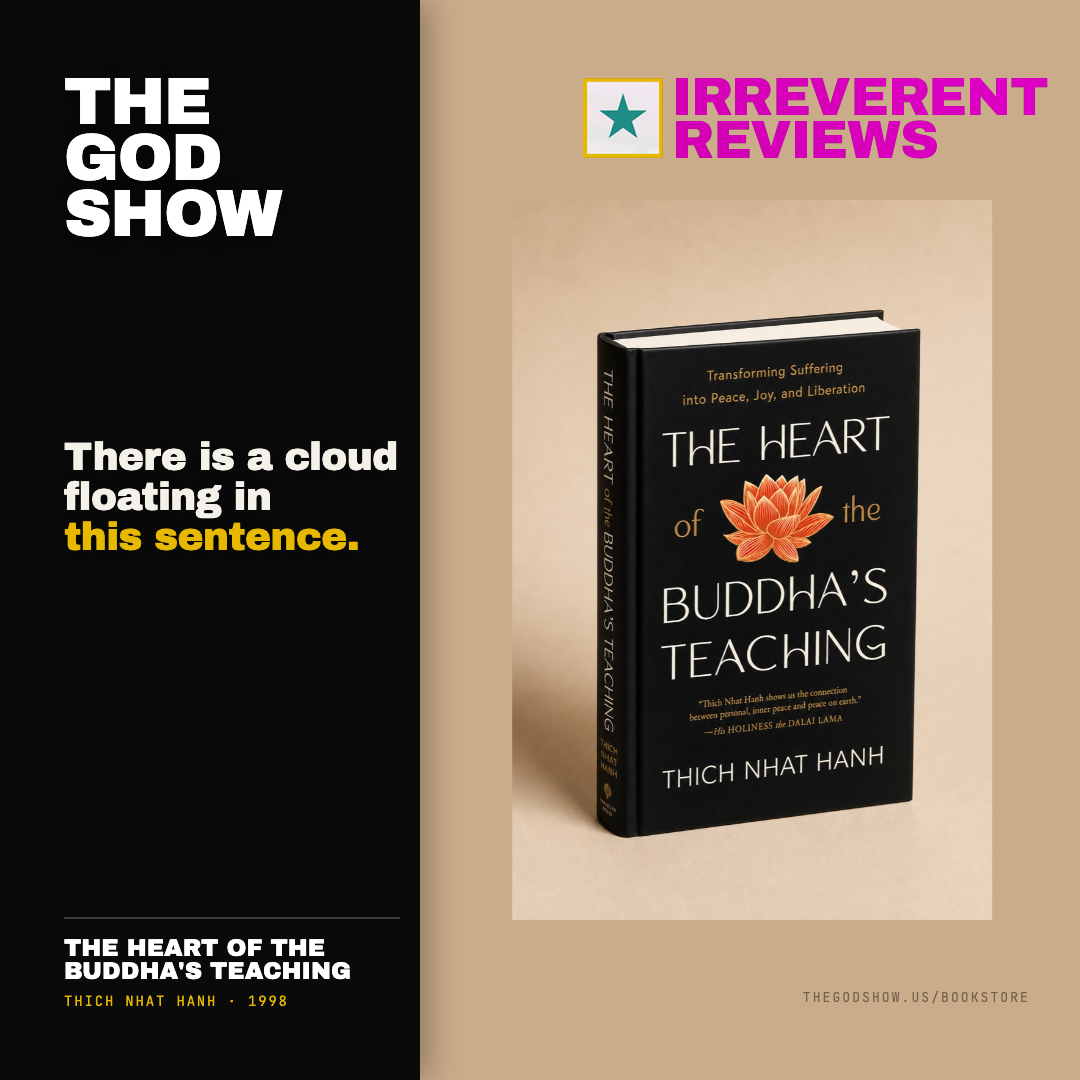
The Heart of the Buddha's Teaching
Thich Nhat Hanh · 1998
The exiled Vietnamese monk MLK nominated for a Nobel distills all of Buddhism into one volume—every truth, list, and breath, minus the migraine.
Read the review →
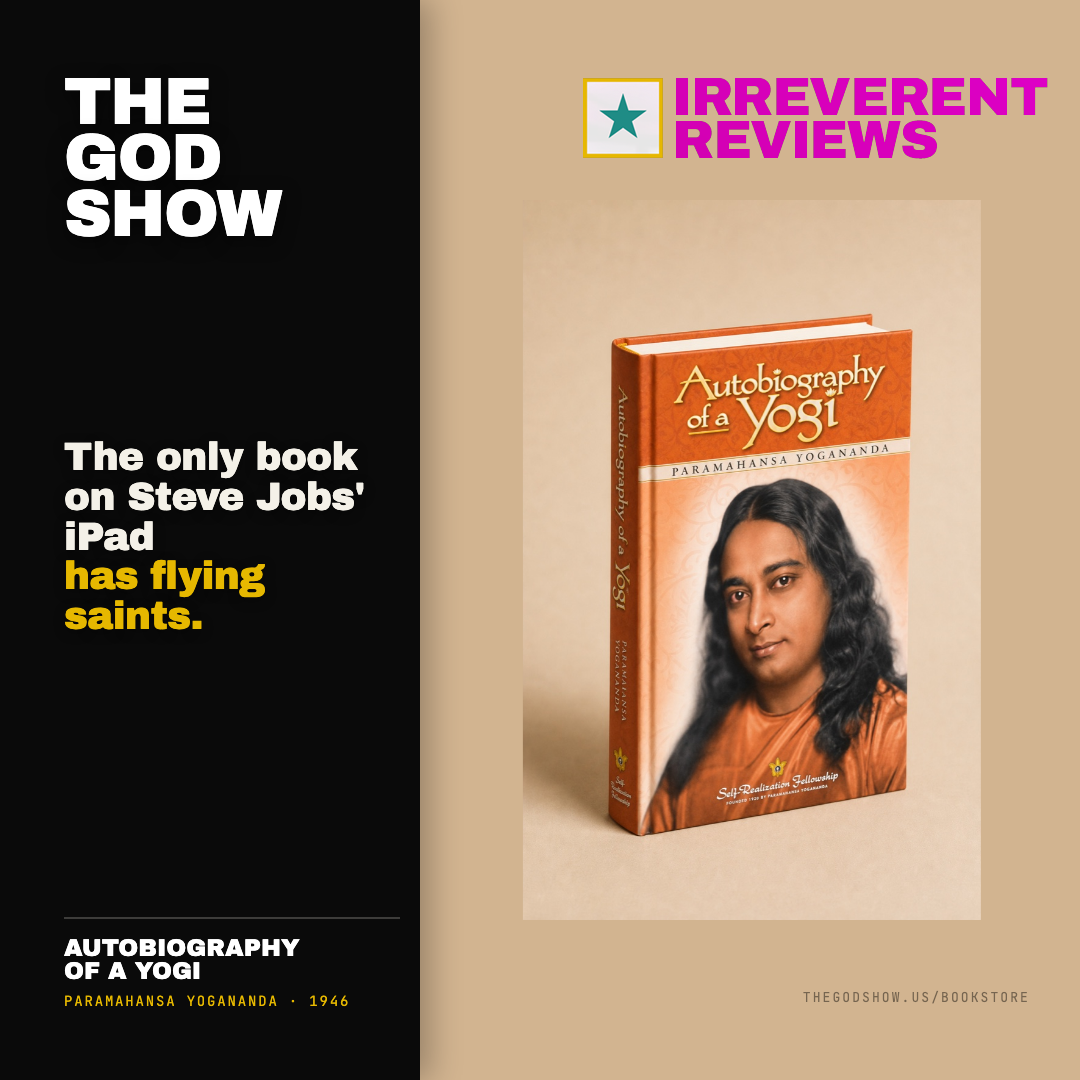
Autobiography of a Yogi
Paramahansa Yogananda · 1946
The 1946 memoir that taught America to say guru, put four Indian masters on the Sgt. Pepper cover, and ended up the only book on Steve Jobs' iPad.
Read the review →

The Te of Piglet
Benjamin Hoff · 1992
The sequel nobody's yoga teacher quotes: Hoff trades honey for grievances and accidentally proves the Tao cannot survive a second book deal.
Read the review →
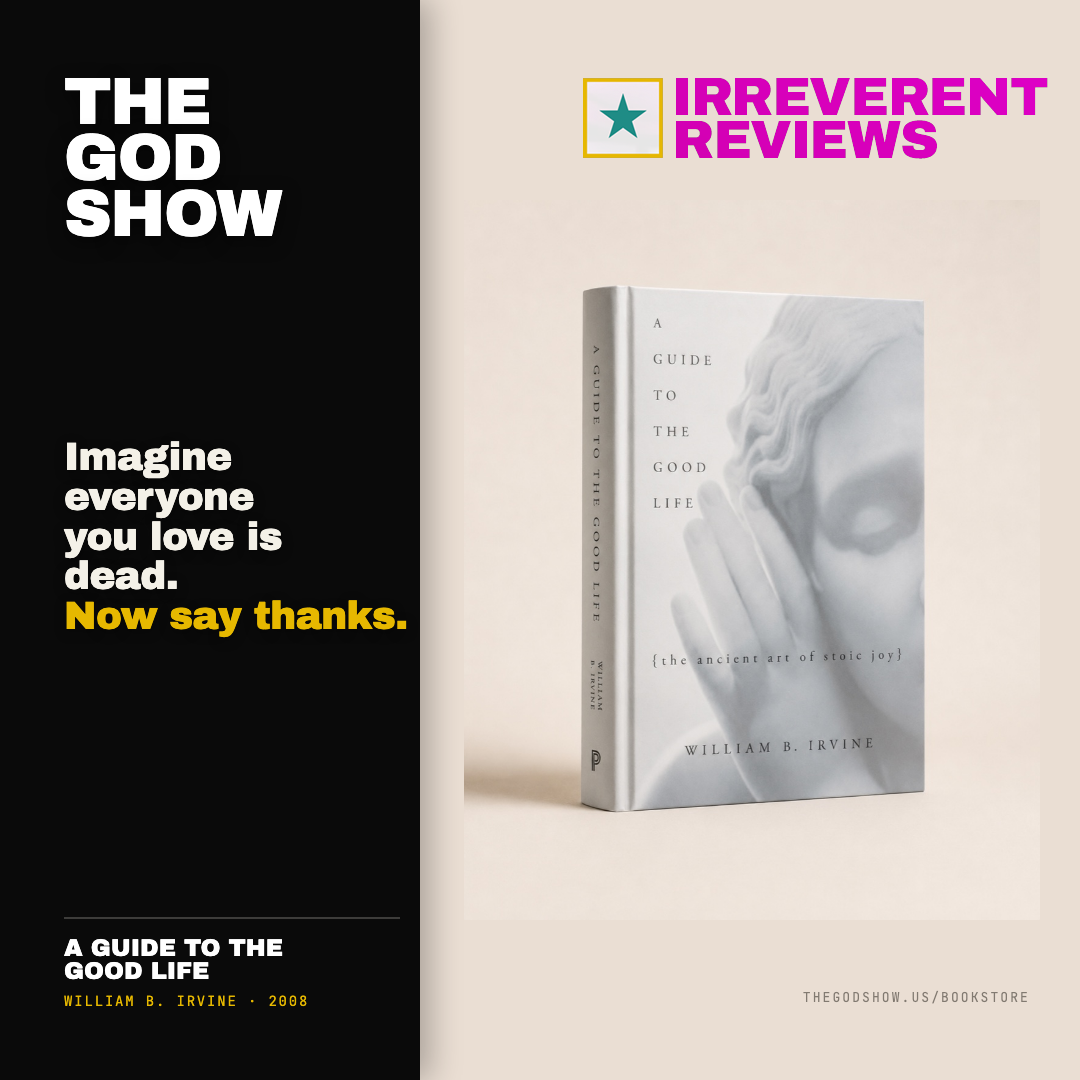
A Guide to the Good Life
William B. Irvine · 2008
An Ohio philosophy professor goes shopping for a life philosophy, test-drives a 2,000-year-old operating system, and accidentally reboots Stoicism.
Read the review →

The Rebel
Albert Camus · 1951
The essay that asked why revolutions keep eating their children — and got Camus excommunicated from the Left Bank by his best friend's magazine.
Read the review →
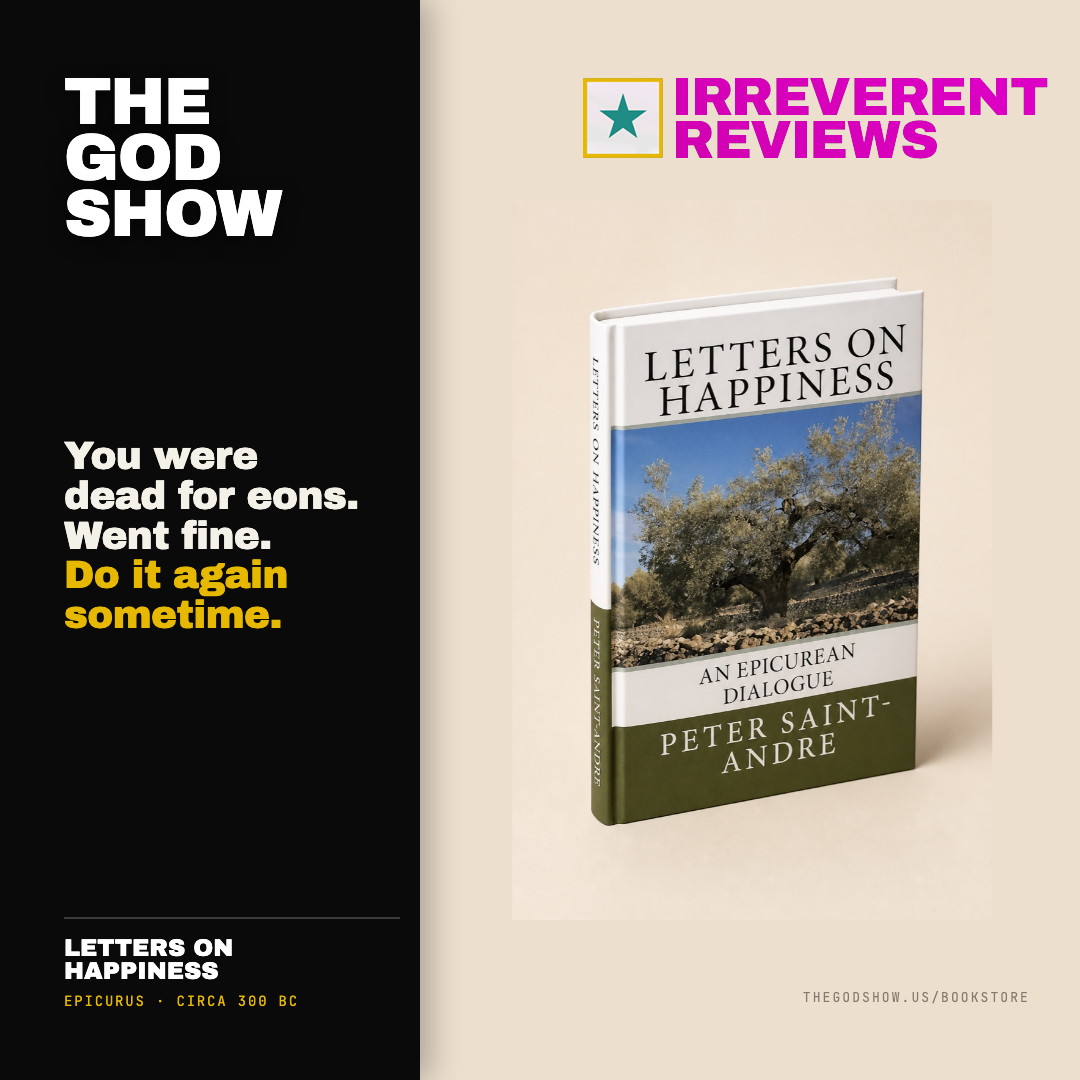
Letters on Happiness
Epicurus · Circa 300 BC
The pocket Epicurus: a four-part cure for dread and the most quoted case against fearing death ever mailed to a friend. Self-help from before the genre ruined it.
Read the review →

Fear and Loathing in Las Vegas
Hunter S. Thompson · 1971
A rented convertible, a Samoan attorney, a trunkful of controlled substances, and the funniest funeral the American Dream ever received.
Read the review →
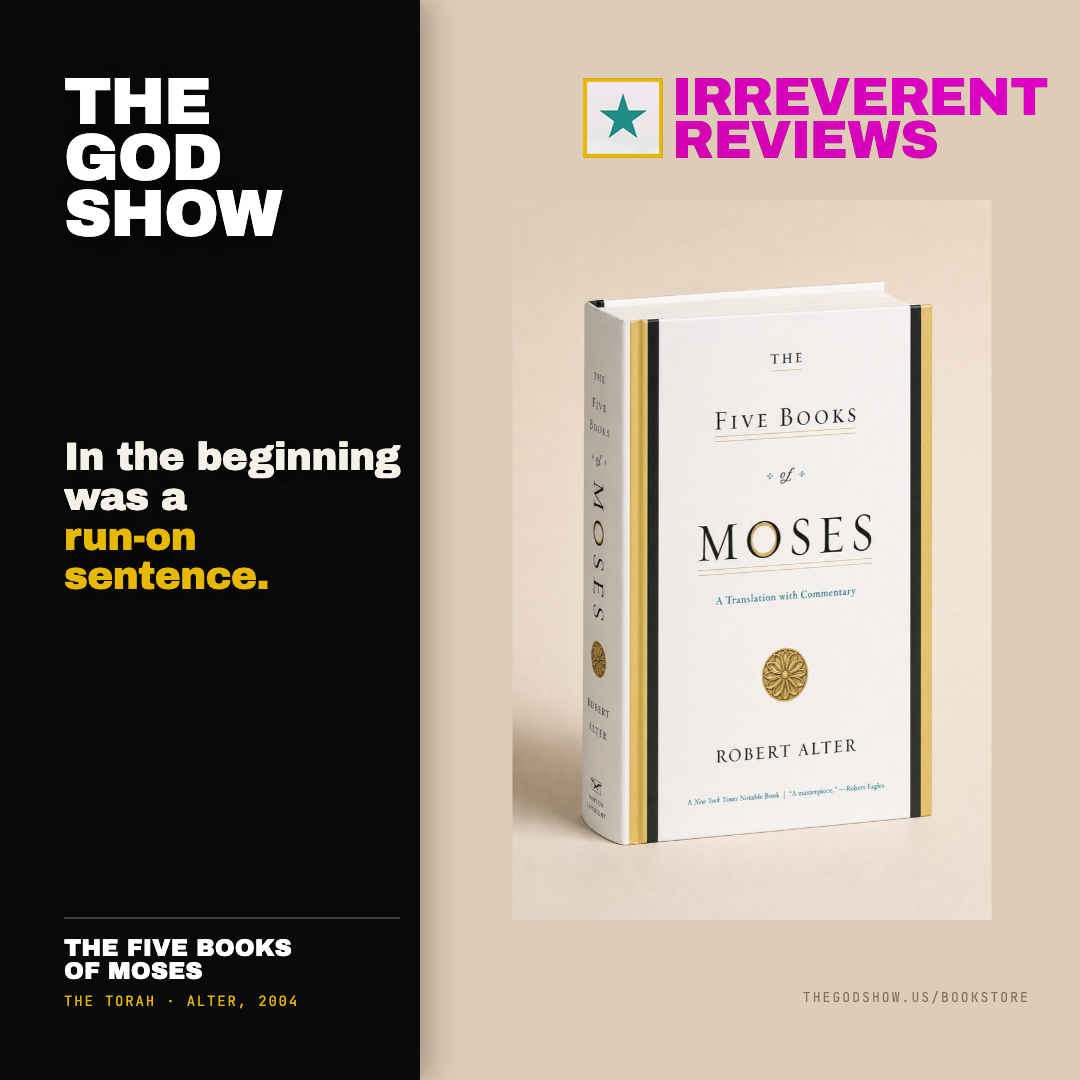
The Five Books of Moses
The Torah · Alter, 2004
Berkeley's crankiest literary critic retranslates the Torah to rescue it from committees—and his footnotes throw elbows at every Bible in the hotel drawer.
Read the review →
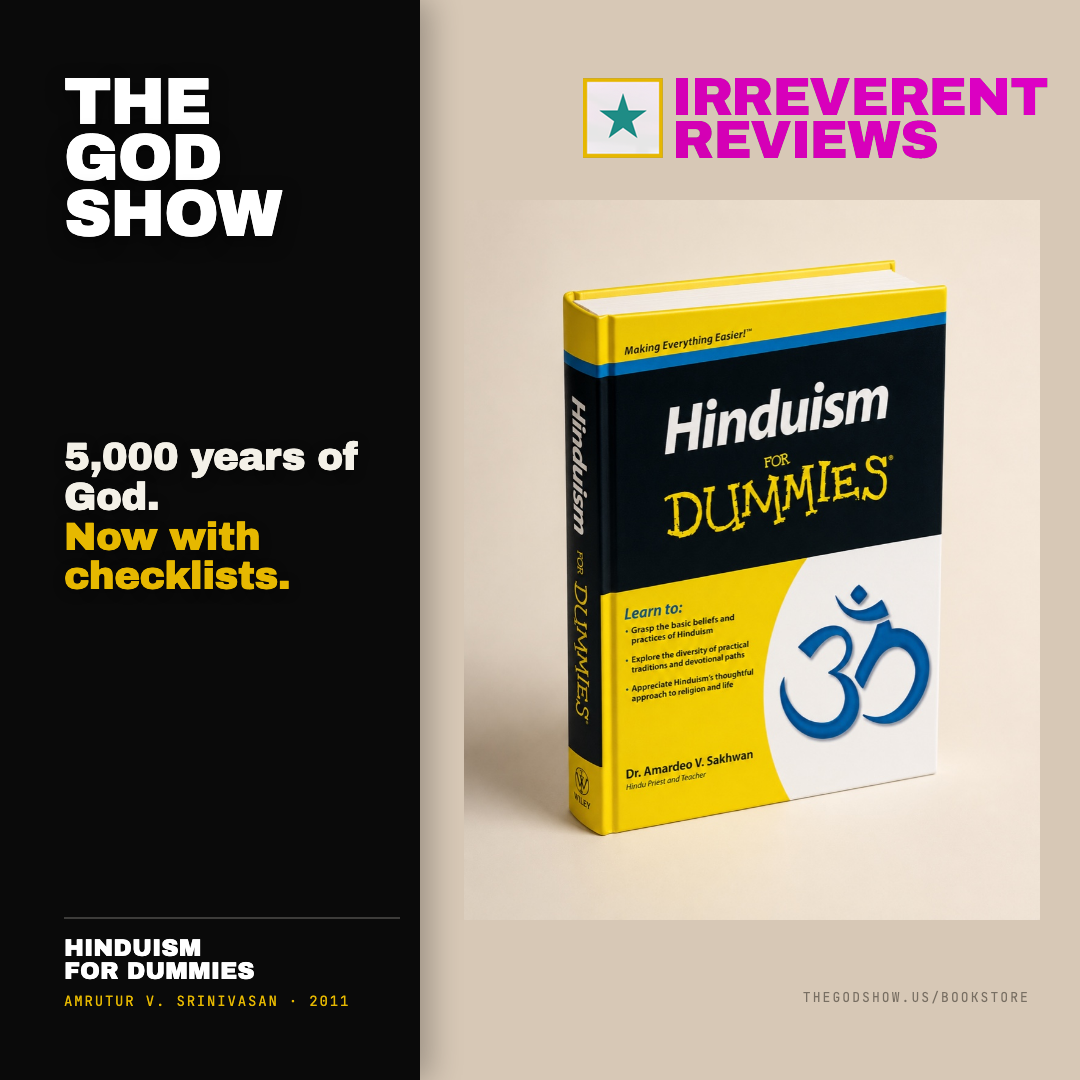
Hinduism For Dummies
Amrutur V. Srinivasan · 2011
The oldest living religion — no founder, no headquarters, no single book — explained by the publishing format that requires all three.
Read the review →
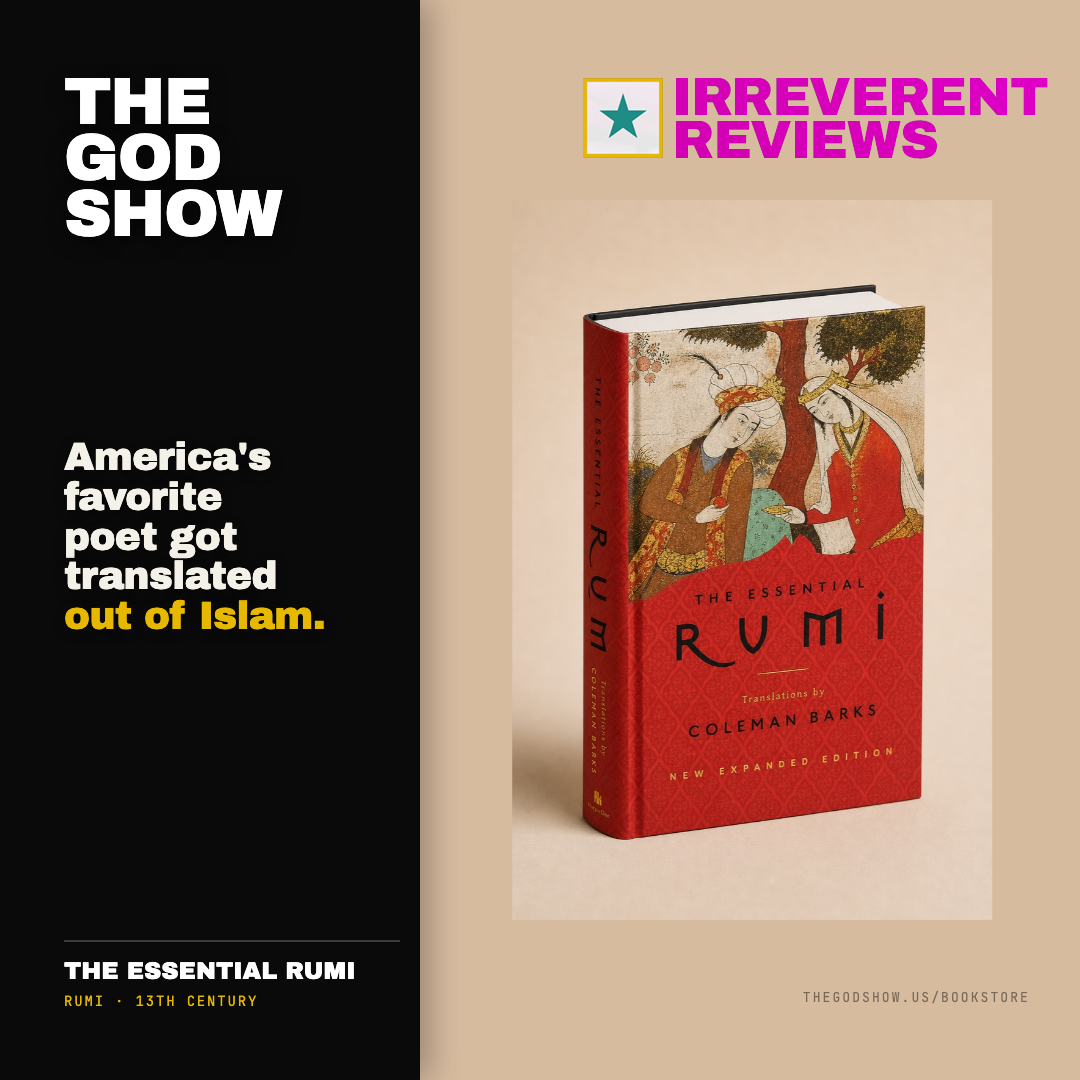
The Essential Rumi
Rumi · 13th century
Coleman Barks turned a 13th-century Islamic scholar into America's best-selling poet by sanding off the Quran and adding line breaks.
Read the review →
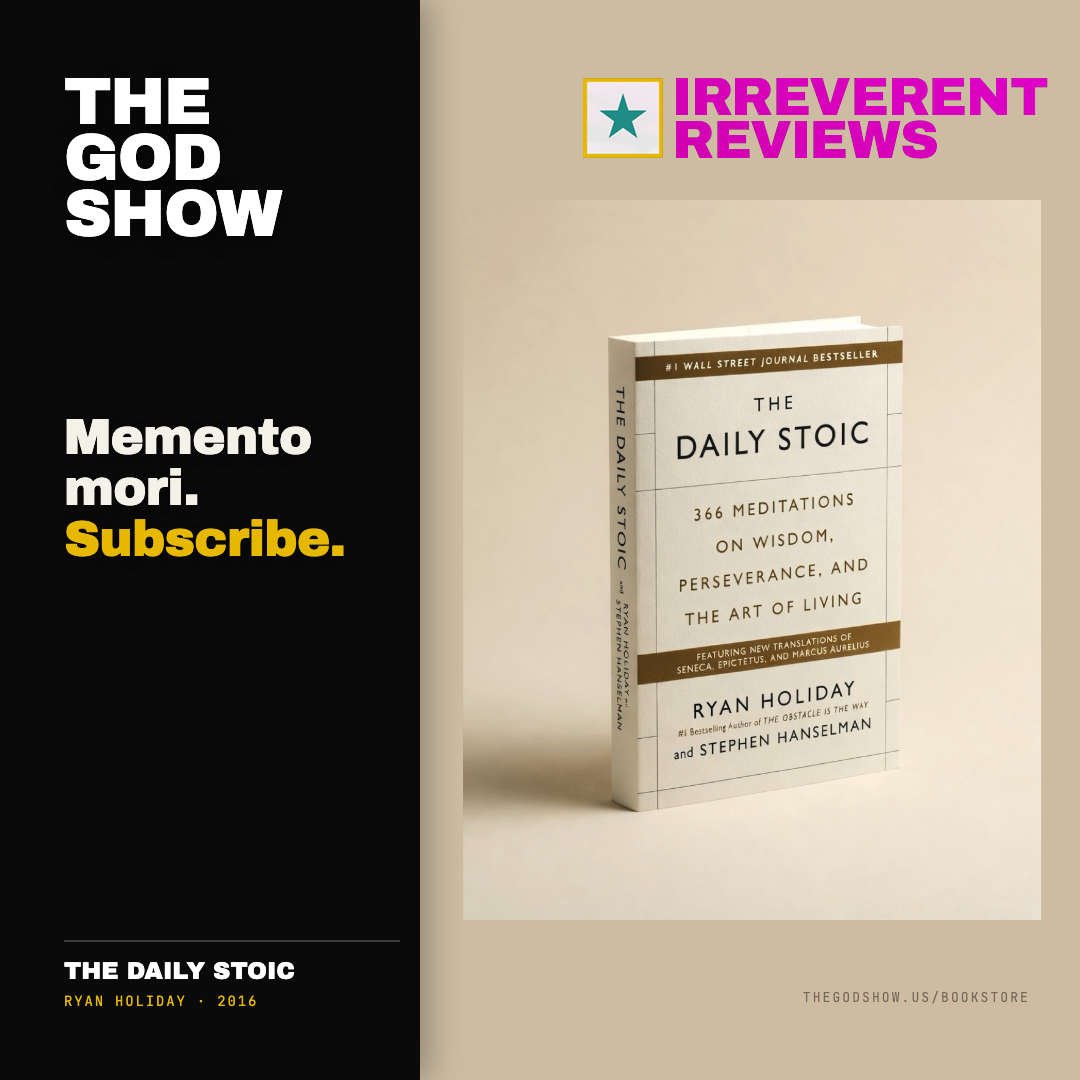
The Daily Stoic
Ryan Holiday · 2016
A reformed media manipulator discovers the perfect content machine: philosophers who have been dead for two thousand years and never miss a posting day.
Read the review →
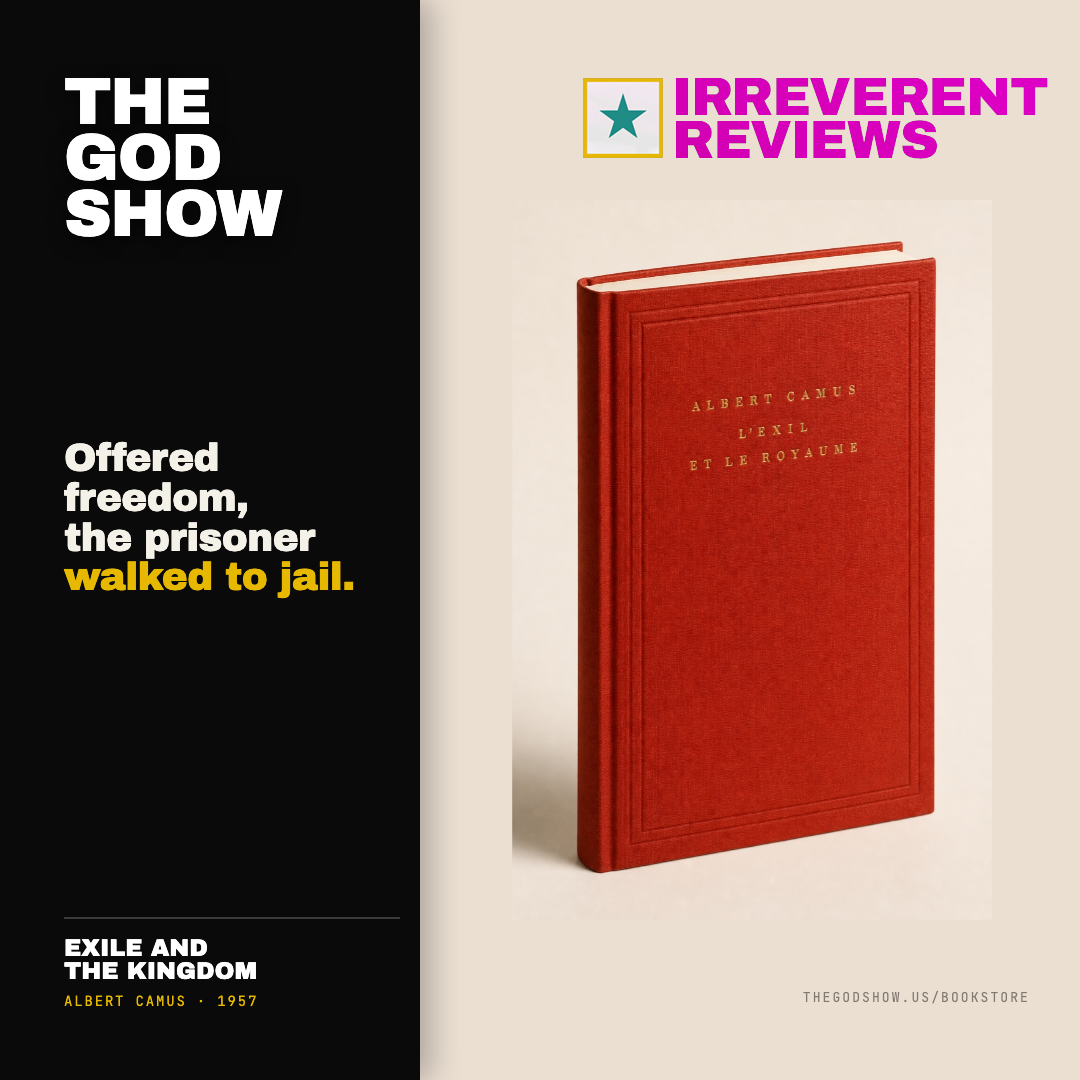
Exile and the Kingdom
Albert Camus · 1957
Six stories from the year of his Nobel: desert eros, a tongueless missionary, and the kindest man in Algeria condemned by both sides before sunset.
Read the review →

Dune
Frank Herbert · 1965
Frank Herbert's desert epic is secretly a user's manual for building a religion — plus a flashing warning label about what happens when the build succeeds.
Read the review →
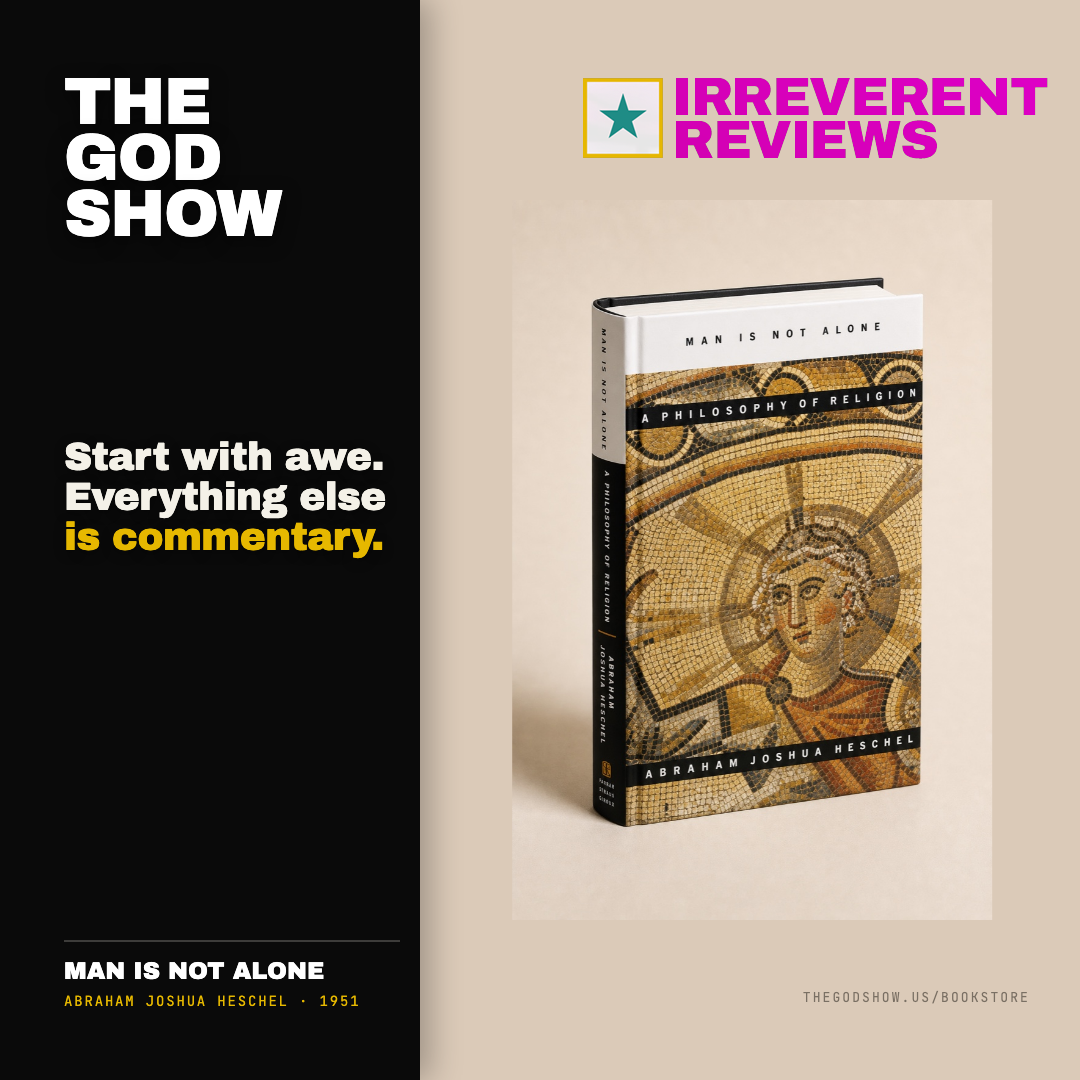
Man Is Not Alone
Abraham Joshua Heschel · 1951
A Hasidic prince who slipped out of Warsaw six weeks ahead of the Wehrmacht rebuilt faith in America on one premise: wonder first, doctrine later.
Read the review →
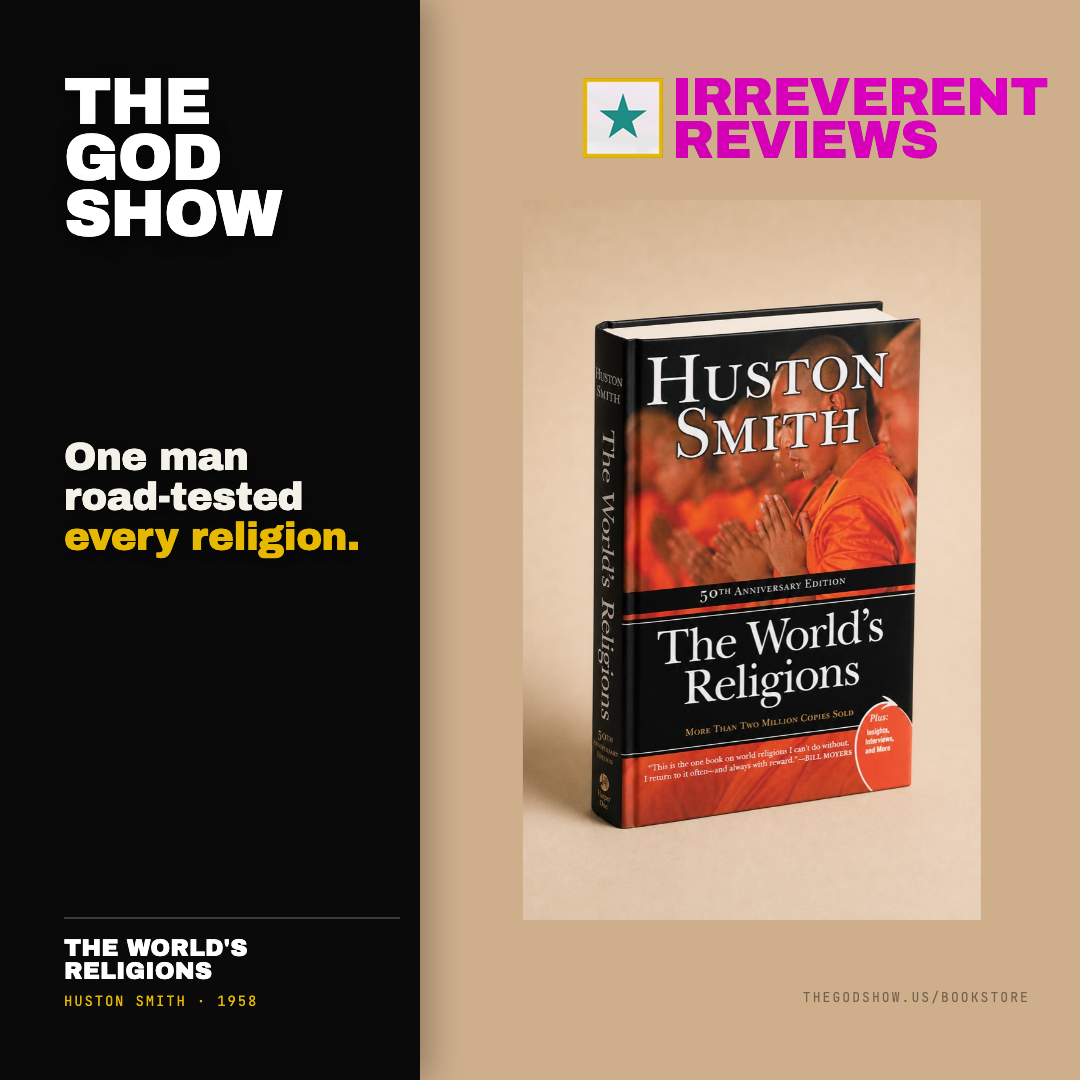
The World's Religions
Huston Smith · 1958
The missionary kid from China who meditated, whirled, prayed, and tripped through every major faith—then wrote the textbook three generations argued with.
Read the review →
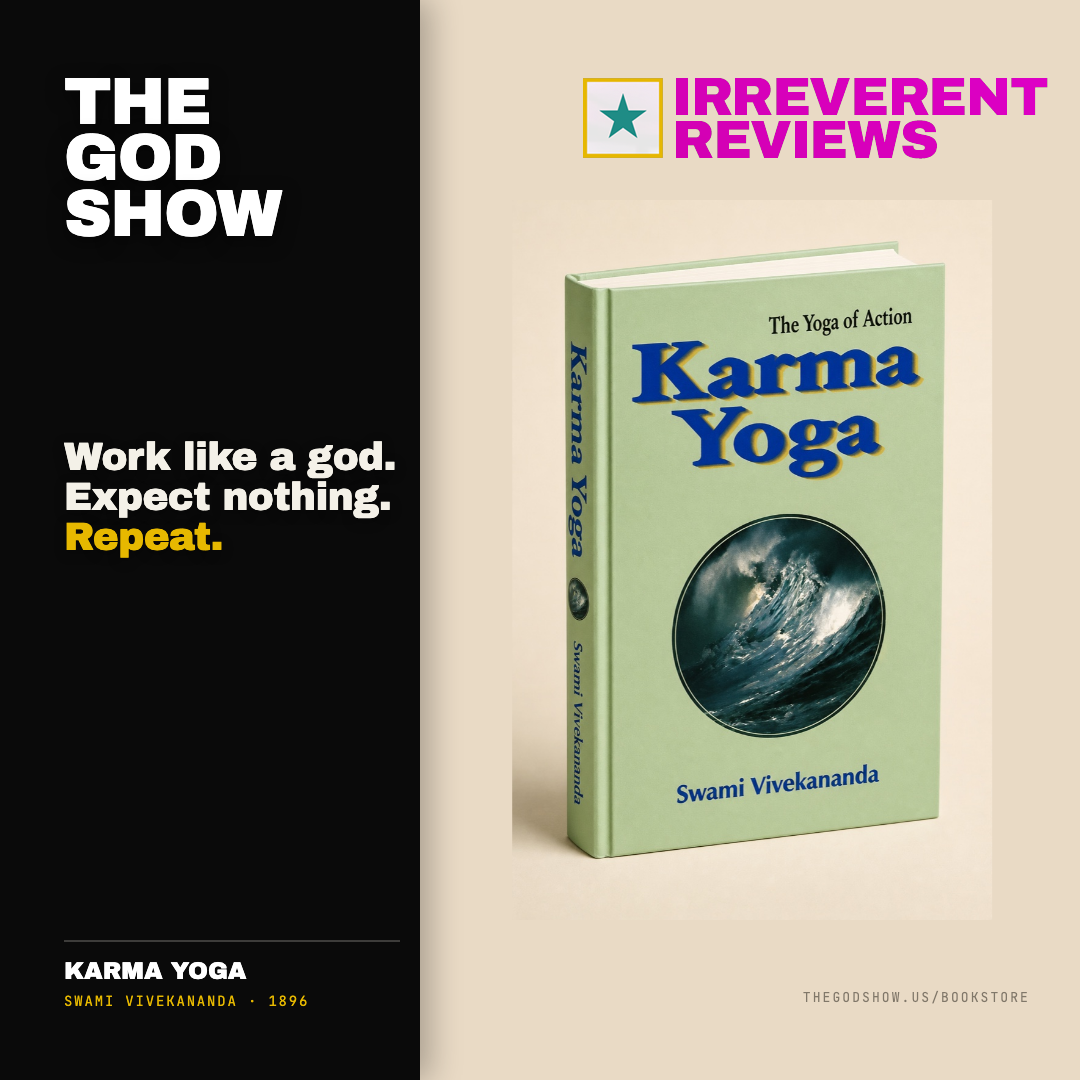
Karma Yoga
Swami Vivekananda · 1896
An orange-robed monk rents rooms in 1890s Manhattan and tells the Gilded Age that the secret of work is wanting nothing from it.
Read the review →
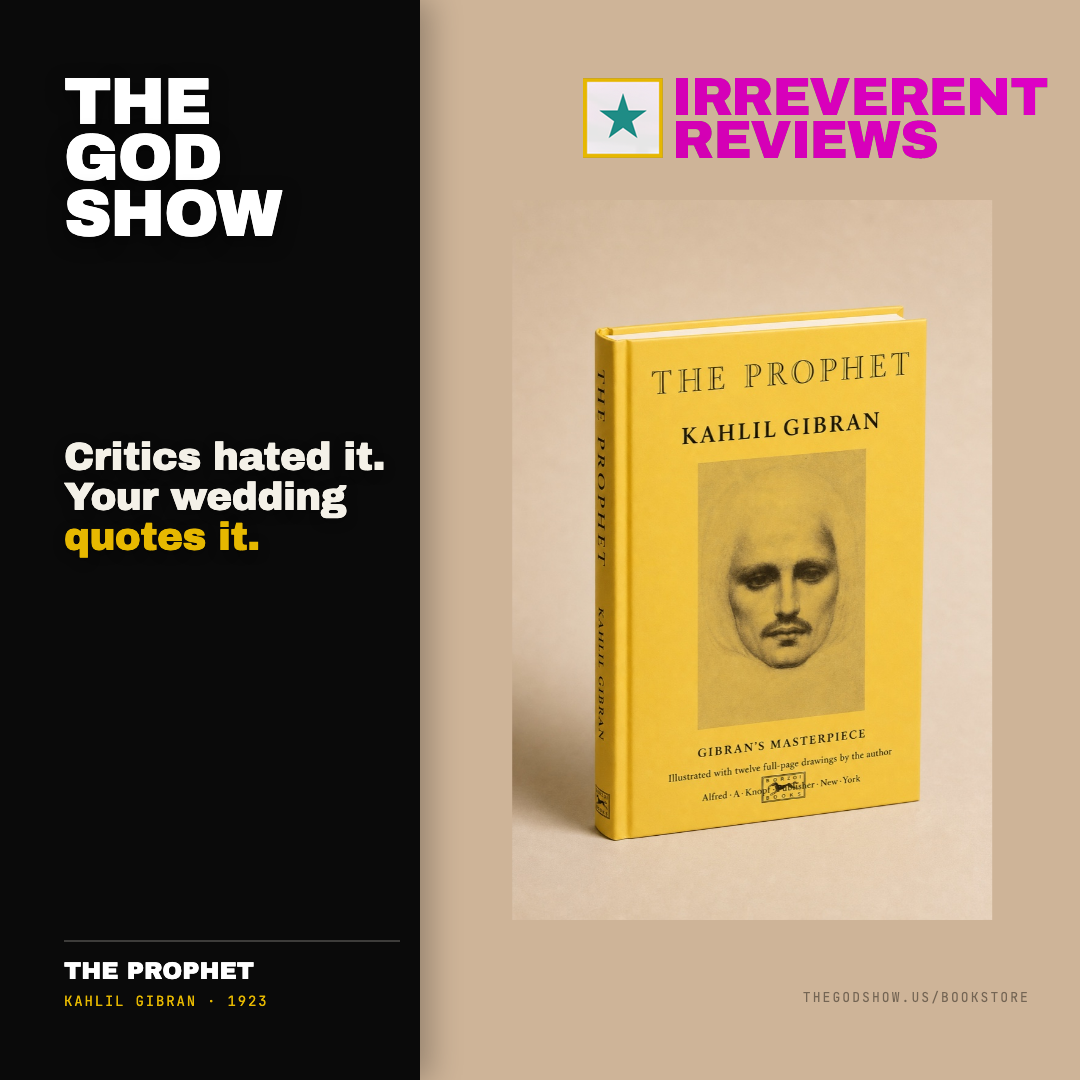
The Prophet
Kahlil Gibran · 1923
Twenty-six prose poems from a Manhattan studio became scripture for weddings, funerals, and Elvis—while the critics gritted their teeth for a century.
Read the review →
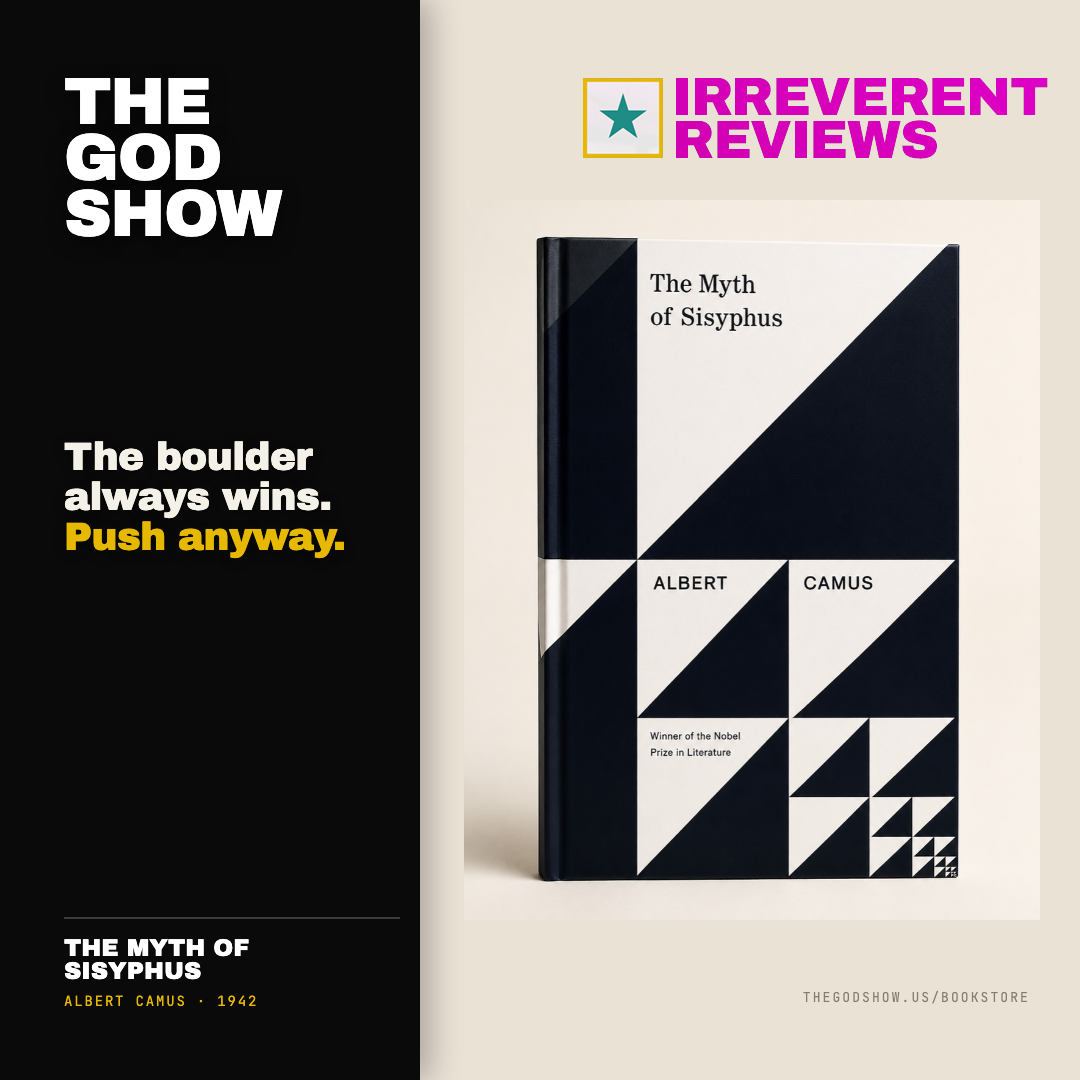
The Myth of Sisyphus
Albert Camus · 1942
A 29-year-old with tuberculosis sits down in the middle of a world war to decide whether life is worth living, and files the strangest yes in philosophy.
Read the review →
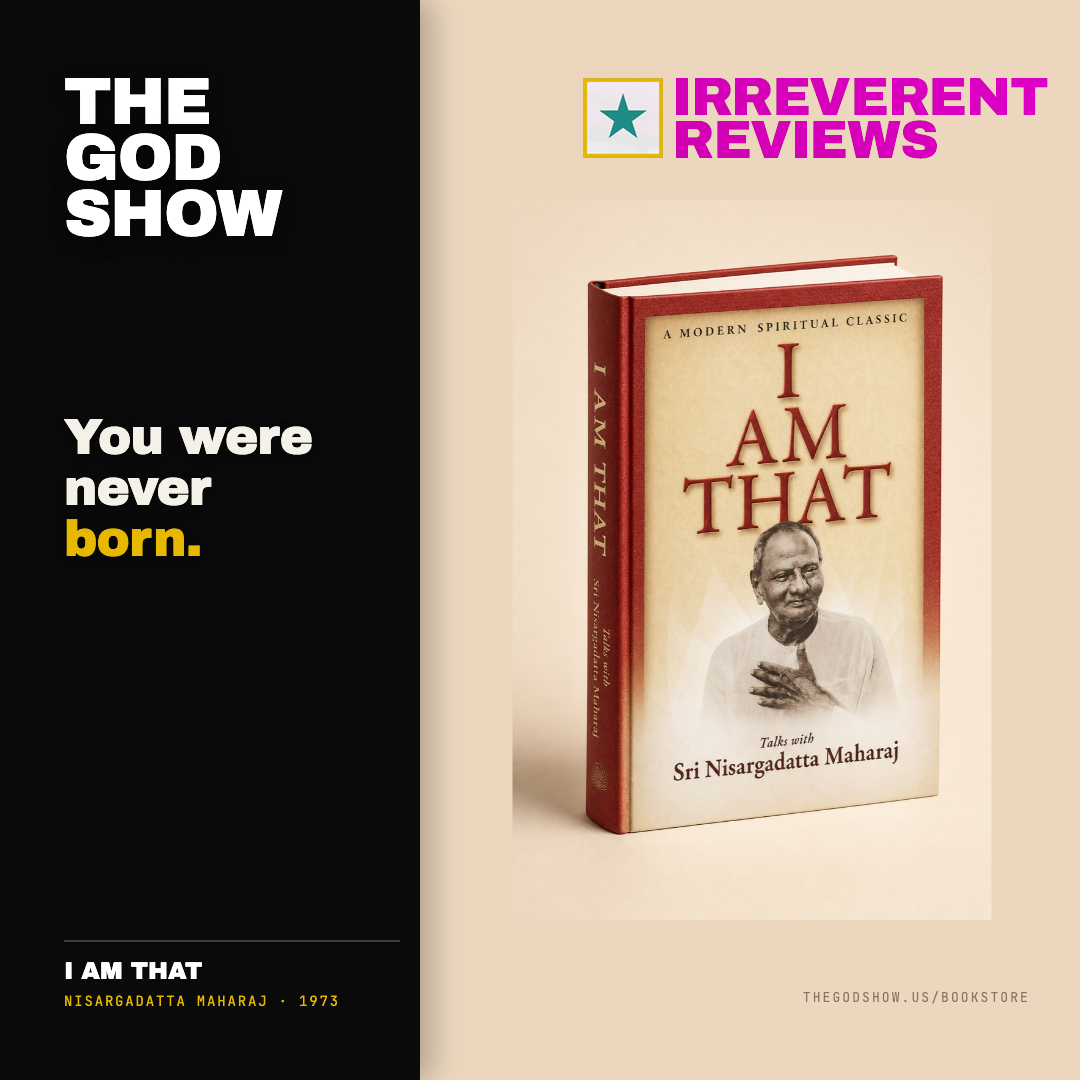
I Am That
Nisargadatta Maharaj · 1973
A Bombay cigarette vendor with no schooling worth naming sat in an attic and took apart every philosophy that climbed the ladder — 101 dialogues, all knockouts.
Read the review →

The Cynic Philosophers
Robert Dobbin (ed.) · 2012
Antiquity's dog philosophers in one volume: the jar-dweller, the heir who quit wealth, the heiress who eloped into poverty. A field manual of weaponized shamelessness.
Read the review →

Atlas Shrugged
Ayn Rand · 1957
A thousand-page prophecy where the world ends because rich people's feelings get hurt — and the founding text of a faith that swears it isn't one.
Read the review →
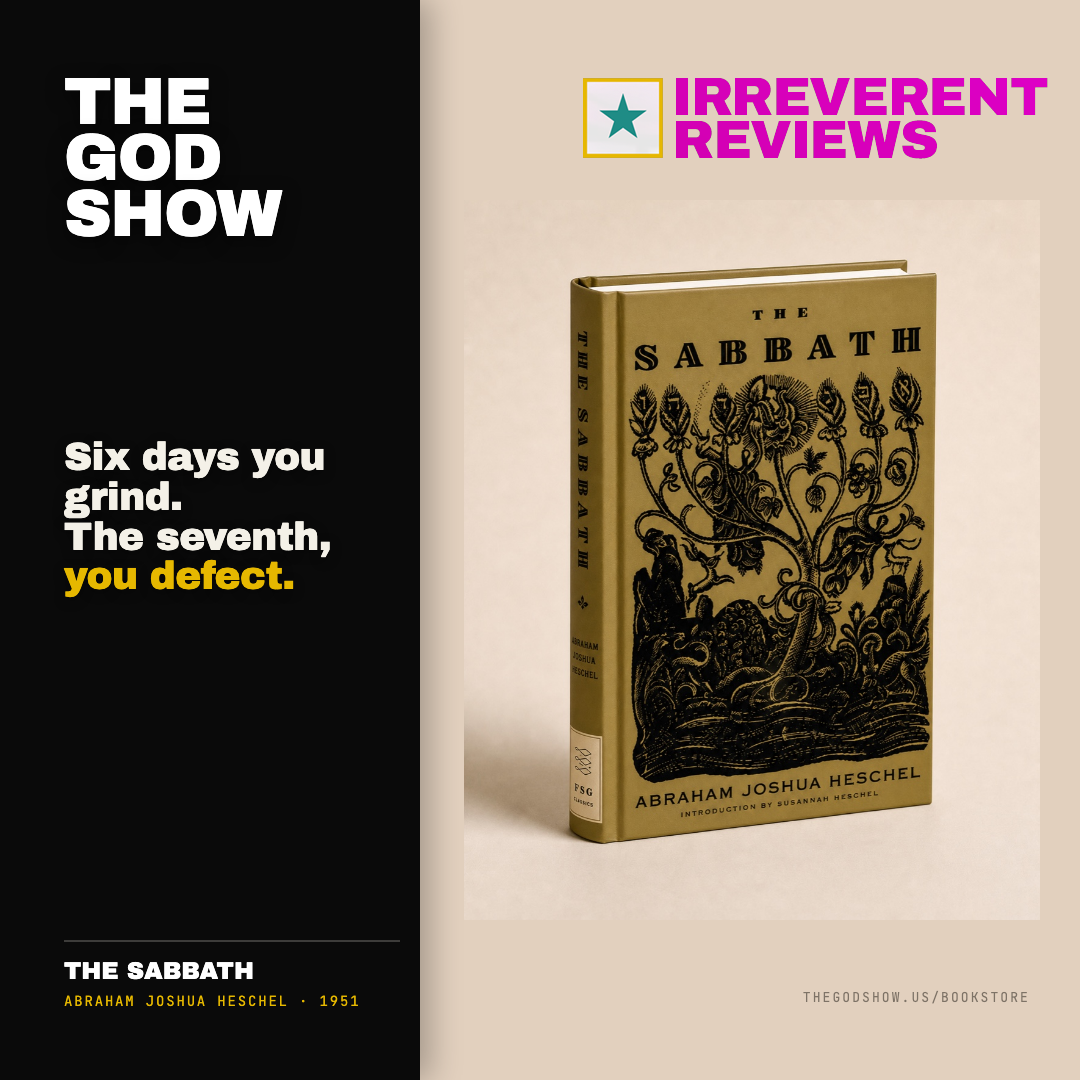
The Sabbath
Abraham Joshua Heschel · 1951
A hundred pages from 1951 that diagnose burnout better than your therapist, your sleep app, and your out-of-office reply combined.
Read the review →

The Way of Zen
Alan Watts · 1957
A defrocked priest with a BBC accent and a cocktail explained Japan's least explainable tradition to the West—and the purists never forgave how well it sold.
Read the review →
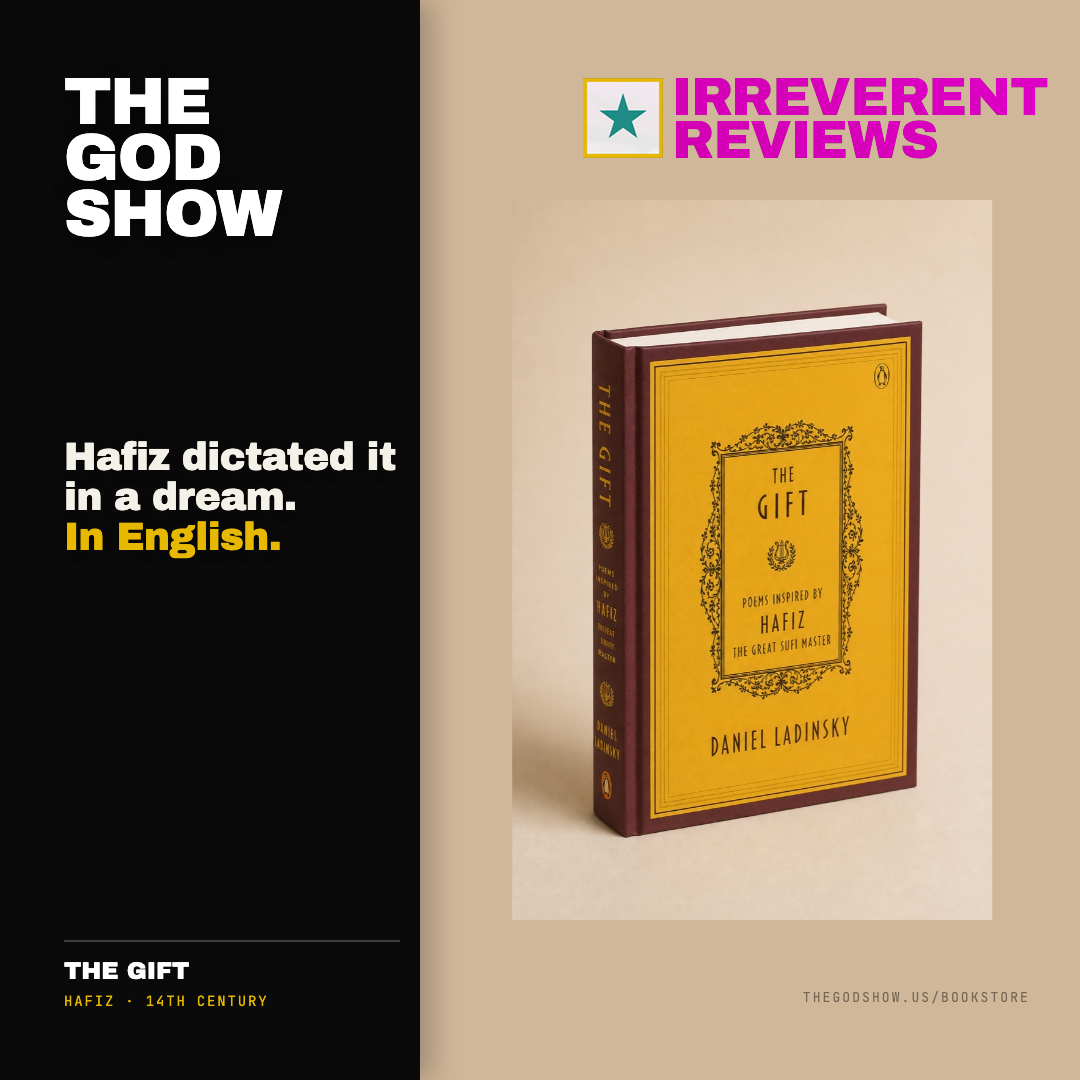
The Gift
Hafiz · 14th century
Scholars can't find these poems anywhere in Hafiz's Persian. Ladinsky says the dead poet sang them to him in a dream. The royalties, at least, are real.
Read the review →
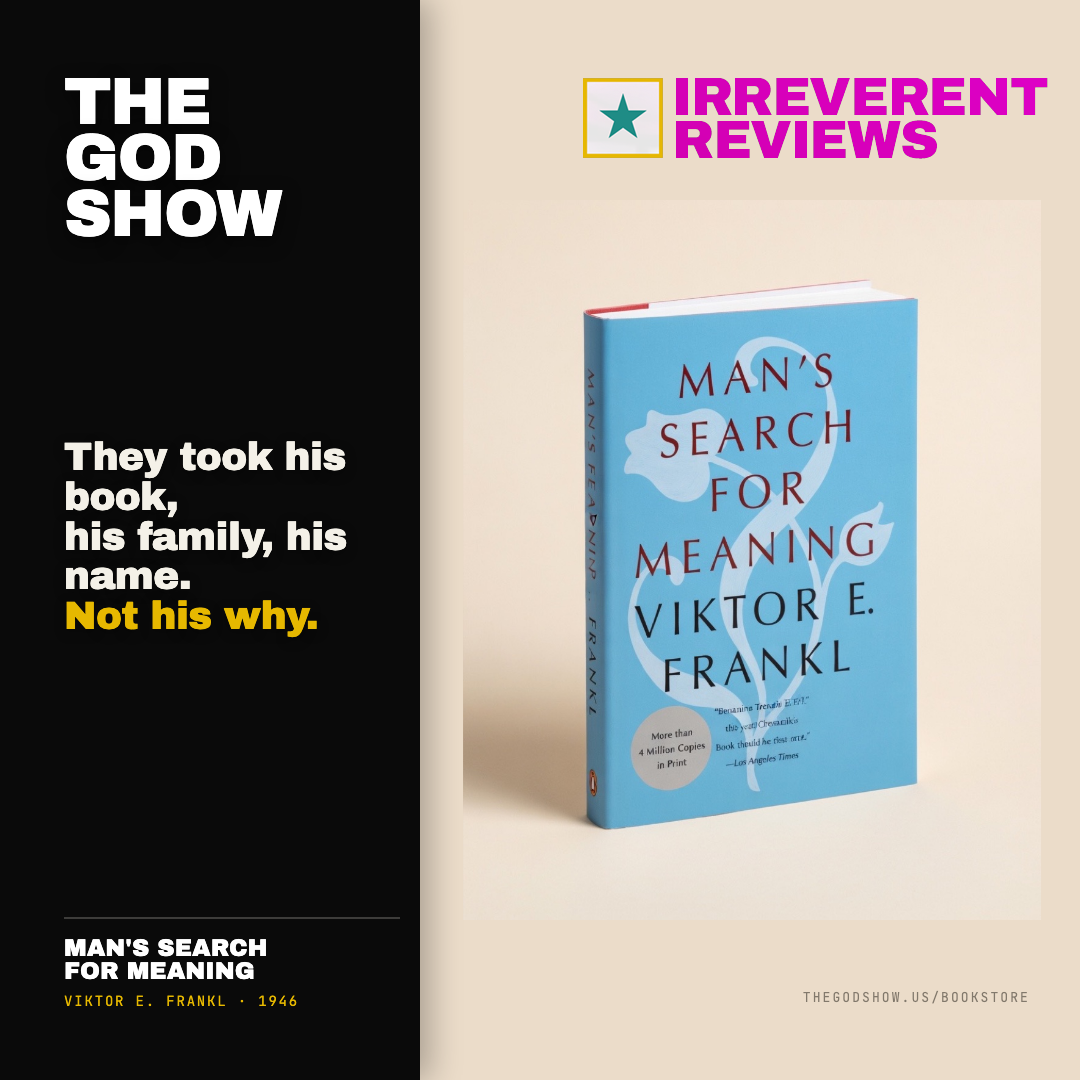
Man's Search for Meaning
Viktor E. Frankl · 1946
Dictated in nine days, intended to be anonymous, sold over ten million copies: psychiatry's most unlikely bestseller began as field notes from the bottom of history.
Read the review →
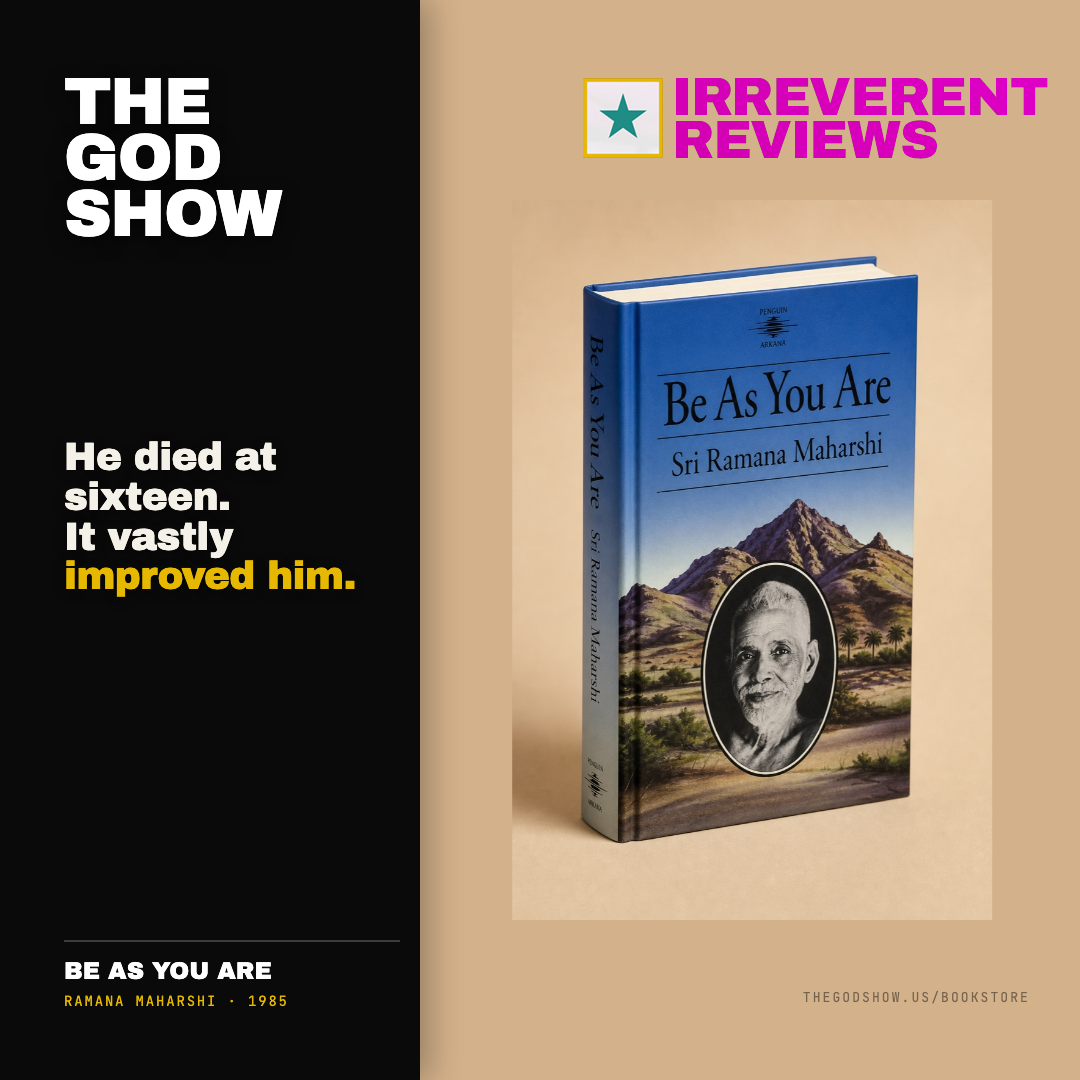
Be As You Are
Sri Ramana Maharshi, ed. David Godman · 1985
A sixteen-year-old fakes his own death so convincingly he never comes back — then spends fifty-four years on a mountain answering every question with: who wants to know?
Read the review →

The Dangerous Life and Ideas of Diogenes the Cynic
Jean-Manuel Roubineau · 2023
A French historian runs antiquity's greatest troll through peer review—and the documented Diogenes (exile, defaced coins, weaponized poverty) out-weirds the memes.
Read the review →